

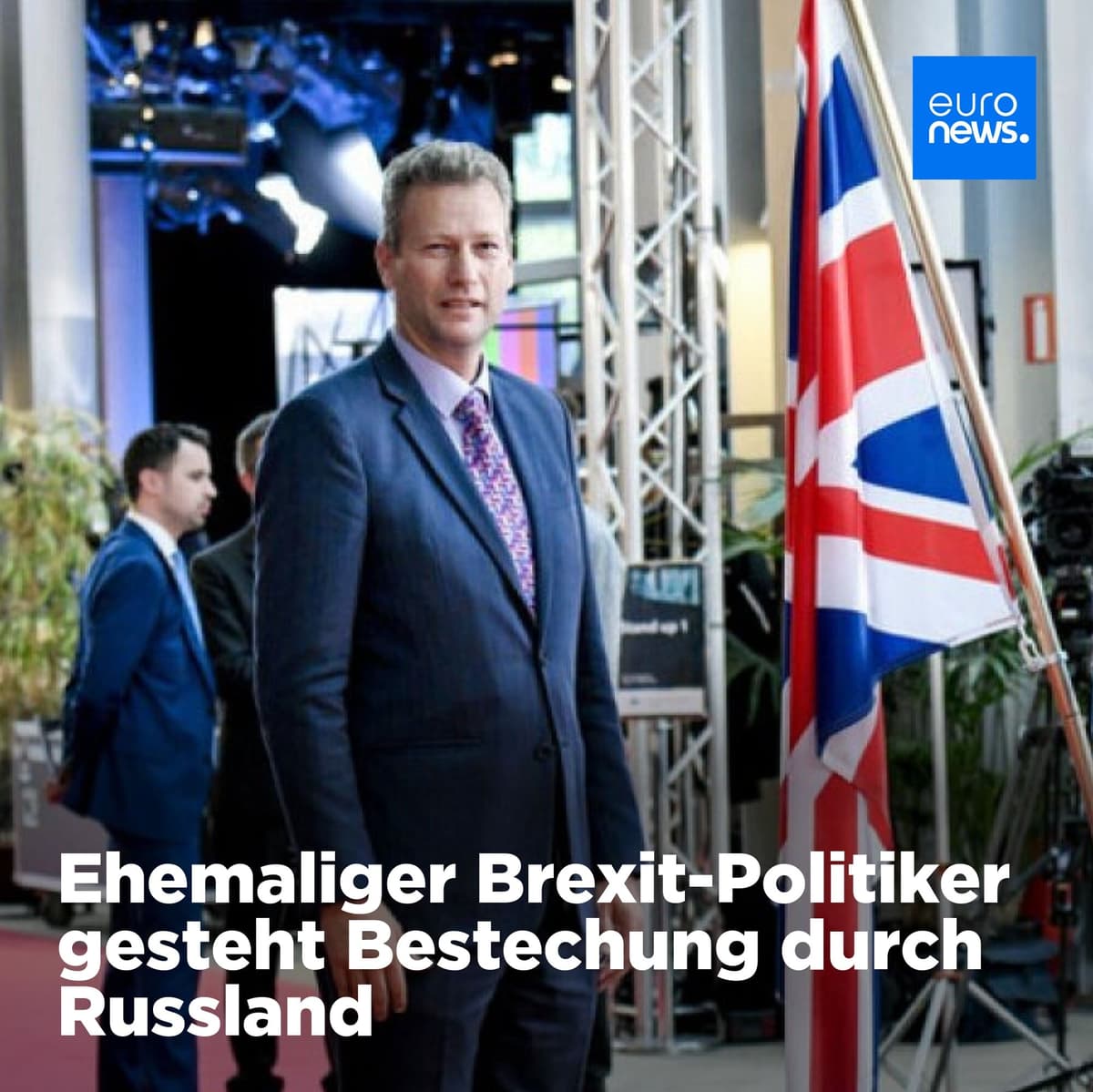
Nathan Gill, known to an English court for eight charges of bribery between late 2018 and summer 2019. He received payments from former Ukrainian MP Oleg Voloshyn, who maintained close ties with the Kremlin and was then under international sanctions.
According to the indictment, Gill spoke in the European Parliament on behalf of Russian interest groups. He attacked Western support for Ukraine and called for greater understanding of Moscow’s position. His activities aimed to sow doubt about EU policy regarding the war in Ukraine.
During that period, Gill was part of Nigel Farage’s faction, which campaigned in the European Parliament for a British exit from the EU. The case reveals a connection between anti-EU views and the use of Russian influence tactics in Brussels politics.
Promotion
Communications between Gill and Voloshyn show that agreements were precisely recorded. These included that Gill would ask questions in parliament, establish contacts with European Commissioners, and organize statements and meetings. He also arranged for other MEPs to make media appearances on the pro-Russian TV channel 112 Ukraine.
Besides his role as a parliamentarian, Gill remained politically active until 2021. He then attempted, unsuccessfully, to win a seat in the Welsh regional parliament. Shortly after, he left Reform UK, the successor to the Brexit Party. This background makes the case particularly sensitive, as he was a visible figure in the British anti-EU scene for a long time.
During the court hearing, it became clear that Gill received substantial sums in return for his work. Exact figures are missing, but the indictment shows these were repeated payments. His efforts were systematically rewarded and directed by Voloshyn’s pro-Russian network in Brussels.
The confession means Gill likely faces imprisonment. The revelations also fuel political debates in Great Britain. Critics demand that opposition leader Farage speak out on the matter of his former faction colleague, although he dismissed it as political games.