In the aftermath of the vote, confusion reigns over the next steps, as it is very rare for the European Parliament to reject a proposal at the first reading without first sending it back to the relevant committee (in this case: the ENVI environment committee).
The most likely option now is that Green Deal Commissioner Maros Sefcovic (as successor to Frans Timmermans) withdraws the current proposal and soon presents a significantly revised plan. This is highly unlikely and can only happen with the consent of both the 27 EU countries and the Parliament. However, in exceptional cases the Commission can or must take its political responsibility, as also occurs in the glyphosate debate.
A second option is that the 27 agricultural ministers decide in December to continue working on the criticized proposal, allowing the Council of Ministers and the European Commission to align. In that case, the European Parliament could (in second reading) still approve such a follow-up compromise.
Earlier, Agriculture Commissioner Janusz Wojciechowski stated that Brussels intends to accommodate many concerns of agriculture ministers. Something similar also happened earlier this year with the Nature Restoration Law. However, defenders of the Green Deal had to make major concessions to save that measure.
Given the political clash in the European Parliament, it is more likely that agriculture ministers will not want to engage with the dossier, that it will be postponed indefinitely, and thus carried over beyond the elections in June next year.
This was also the tone of responses from center-right factions; that a new European Commission (at the earliest in 2025 or 2026) must propose a different pesticide plan. "Now there is an opportunity in the next legislative term to develop a sensible concept in cooperation with agriculture," said Peter Liese, the EVP/CD&V environmental policy spokesperson.
The European agricultural umbrella group Copa-Cogeca also welcomed the rejection of the imposed reduction. The organization said the Commission proposal was primarily based on ideology and principles rather than feasibility and support among farmers.
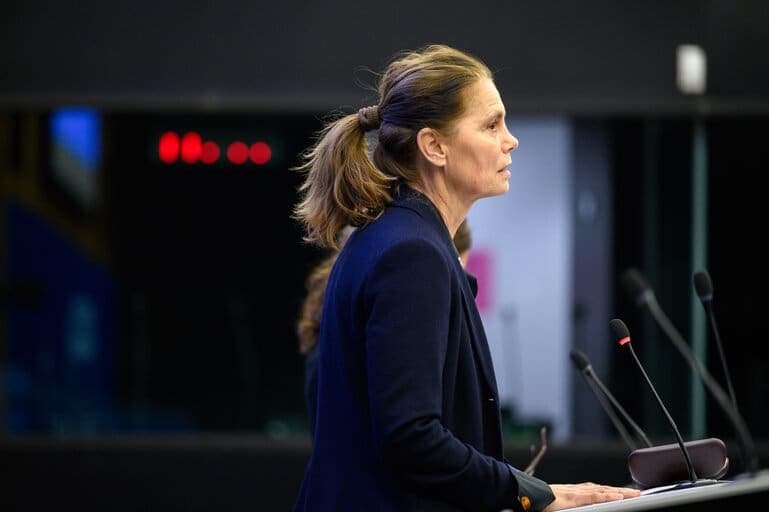
Disappointed Austrian EP rapporteur Sarah Wiener (Greens) concluded that more than a hundred "abstaining" EU politicians ultimately did not want to help her proposal secure a majority.