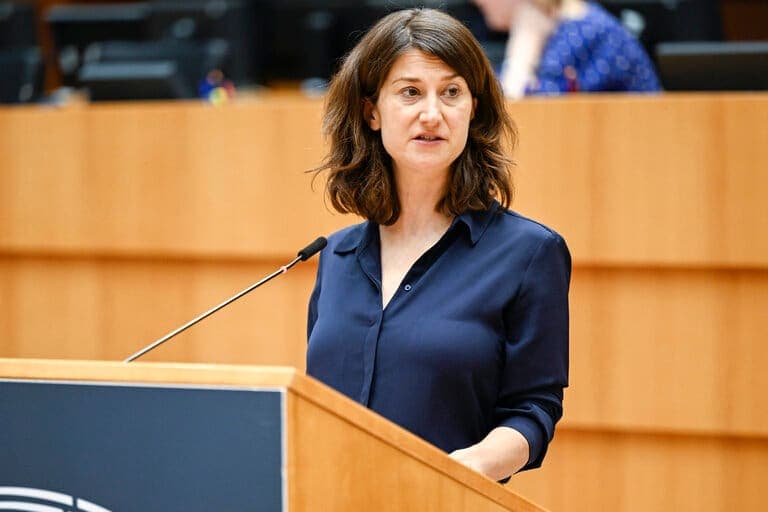
The proposal was narrowly rejected, with 309 votes in favor, 318 against, and 34 abstentions.
The compromise tabled for a vote in Strasbourg aimed to simplify rules on sustainability reporting and corporate due diligence. Left-wing and Green parties voted against it because they felt the proposal undermined the EU's previously established climate and human rights ambitions.
Far-right factions also voted against it, but because they wanted the rules to be rolled back even further.
The European People’s Party (EPP) had led the negotiations over the past months but threatened to join the far-right parties if its demands were not met. This increased pressure on the Social Democrats and Liberals to compromise, after which their group leaders gave in,
Dutch MEP Lara Wolters (PvdA/S&D) subsequently withdrew as co-negotiator out of dissatisfaction with the new concessions made to the EPP’s threat. She felt that the so-called ‘anti-look-away law,’ designed to hold companies accountable for misconduct in their supply chains, had been too diluted.
The compromise failed this week at the final vote in the European Parliament. More than thirty colleagues from Wolters’ S&D group supported her earlier rejection and voted against the final compromise.
Supporters of stricter rules see the rejection as an ultimate opportunity. They want to restore the original plans, which would cover more companies under due diligence and reporting obligations. According to them, Parliament now has the chance to strengthen the rules rather than weaken them further.
The rejected version proposed that only large companies with more than 5,000 employees and an annual turnover of at least 1.5 billion euros would have to comply with the new rules. The earlier proposal set the threshold much lower: at 1,000 employees and 450 million euros turnover.
Environmental organizations had already warned that raising the threshold would leave millions of employees outside oversight. This would mean that smaller companies would be less obliged to monitor their suppliers for environmental or human rights violations.
There was also pressure from outside Europe. Business lobbyists and governments, including those from Germany, the United States, and Qatar, tried to push the EU to relax the rules. They feared that stricter requirements would complicate international trade.
As a result of the rejection, the proposal has now been sent back to the negotiation table. A new vote is scheduled for November 13.