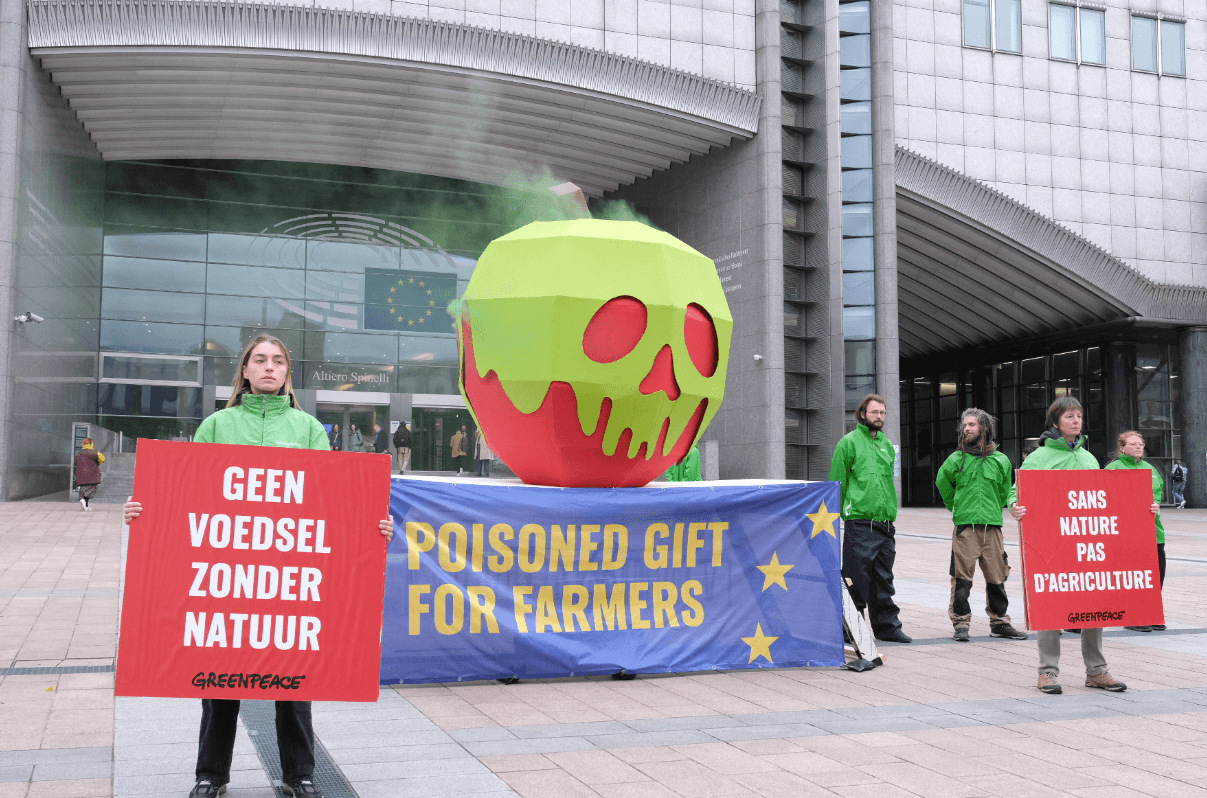
With support from conservative and far-right groups in the European Parliament, Dirk Gotink (NSC) and Sander Smit (BBB) accuse environmental organizations of using EU subsidies to promote the Green Deal. The organizations consider these allegations unfounded and politically motivated.
Human rights and environmental groups express their concerns in a joint letter. They state that the attacks by Gotink and Smit are part of a broader campaign to discredit their work. According to them, they are targeted because of their commitment to the environment and democratic values within the EU.
The Christian Democratic EVP group claims environmental organizations conduct political campaigns using European funds. They particularly criticize support for projects that promote the Green Deal, the European program for sustainability including in agriculture. The conservative and far-right factions in Strasbourg argue this amounts to political partisan influence.
A senior European Commission official recently acknowledged that in one case an environmental organization had used EU subsidies to campaign against certain EU policies. EVP members interpreted this as a 'confirmation' of subsidy fraud. The European Court of Auditors recently pointed out that such funding in itself is not illegal.
Ultimately, insufficient support was found in the European Parliament for an official investigation into subsidies from the LIFE program. However, the European Court of Auditors states in a new report that the allocation and oversight of NGO subsidies by the European Commission remain insufficiently transparent. The auditors also note that some subsidized activities have not been properly disclosed by the commissioners.
Dutch MEPs Mohamed Chahim (PvdA) and Bas Eickhout (GroenLinks) have previously criticized the accusers for not mentioning the far larger lobbying role of the (agricultural) business sector. D66 member Gerben-Jan Gerbrandy is also critical of the witch hunt against environmental and nature organizations.
"The accusations against nature organizations are definitively baseless. If any improper influence exists, it is from commercial parties pretending to be civil society organizations. For example, large agricultural lobbies that also have politicians on their payroll," said Gerbrandy. In a report published Monday, the European Court of Auditors raised questions about the NGO status of such large lobbying organizations that primarily represent their own commercial interests.
The Court calls for clearer definitions. This could mean that some agricultural organizations may no longer be recognized as civil society groups. Dutch SGP member Bert-Jan Ruissen pointed out in response to the report that the Commission 'barely investigates which individuals or foreign powers stand behind an NGO.'
The European Commission denies that there is systematic misuse of subsidy rules for nature groups. An investigation by the usually well-informed news agency Politico supports this position. Politico analyzed dozens of subsidy files and found no evidence to support the claim that organizations use funds for partisan political campaigns or prohibited lobbying practices.
In their joint statement, these organizations say that attempts to silence them pose a threat to civil society in Europe. They call on European institutions to continue supporting their role.