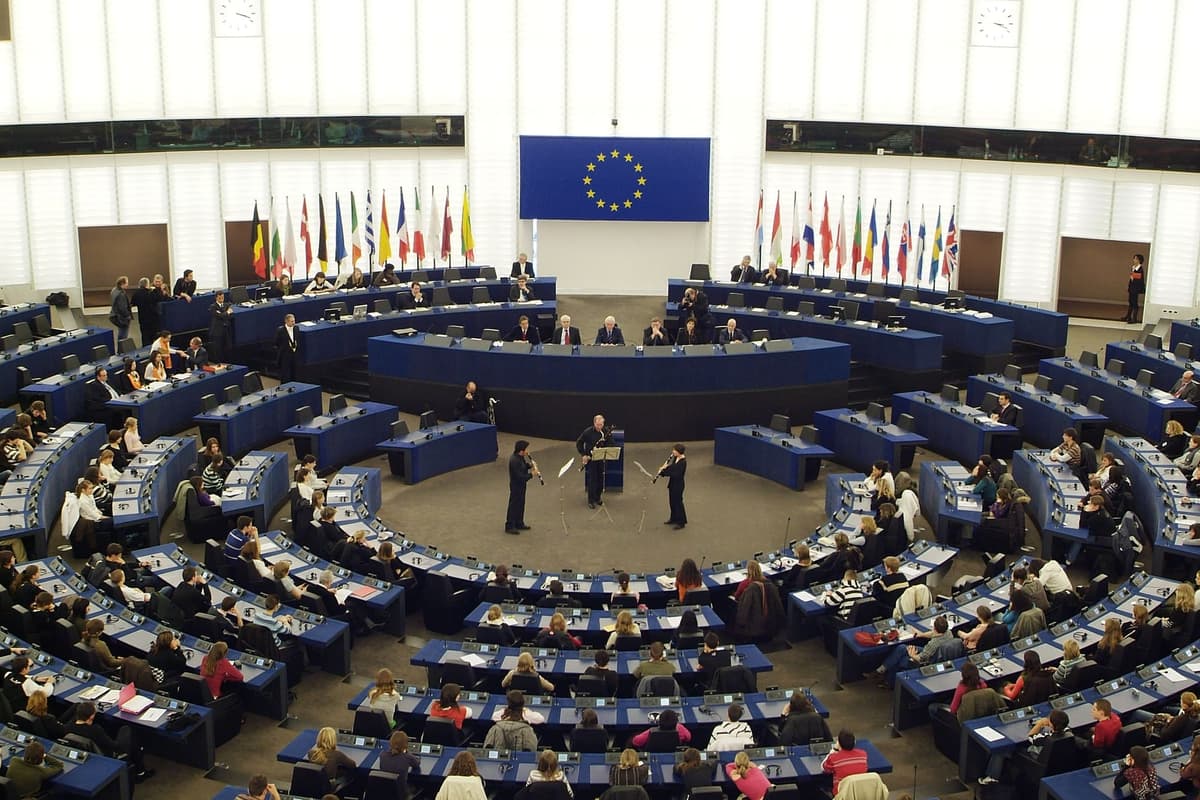
The approval of the 2026 budget became possible after negotiators from the 27 EU countries and four centrist groups in the European Parliament agreed on major adjustments to the 2028-2034 multiannual financial framework. Thanks to this agreement on the MFF, negotiations on the 2026 annual budget could also be concluded.
These four groups – social democrats, Christian democrats, liberals, and Greens – had previously threatened not to support the budgets. According to those involved, this could have led within a few weeks to an administrative standstill, as many payments and programs cannot be carried out without a budget.
In the final agreement between the Council and Parliament, the total budget for 2026 amounts to nearly 193 billion euros in new commitments and over 190 billion euros in payments. These amounts are higher than several national governments were initially willing to allow.
The Parliament also managed to reverse several proposed cuts. The negotiation documents state that especially reductions in funds for research, aid, and economic development programs have been removed. This restores part of the European Commission's original proposal.
A significant shift in the budget is the increase in spending on security and defense. This funding is intended to strengthen European cooperation, enable joint purchases, and respond more quickly to crisis situations at the external borders.
The budget for migration and border management is also rising. This will allow countries to deploy additional capacity for border checks, reception centers, and managing migration flows.
Besides defense and border control, the 2026 budget includes extra funds for humanitarian aid. This money is meant for emergencies both inside and outside Europe, ranging from refugee reception to food aid in regions affected by conflicts or natural disasters. Part of it remains available as a crisis buffer.
Although the agreement is now in place, the 27 EU countries still need to formally approve it. This will be followed by a plenary vote in the European Parliament. It is expected that the broad political agreement will clear the way for a large majority, thus eliminating the risk of blockage.