

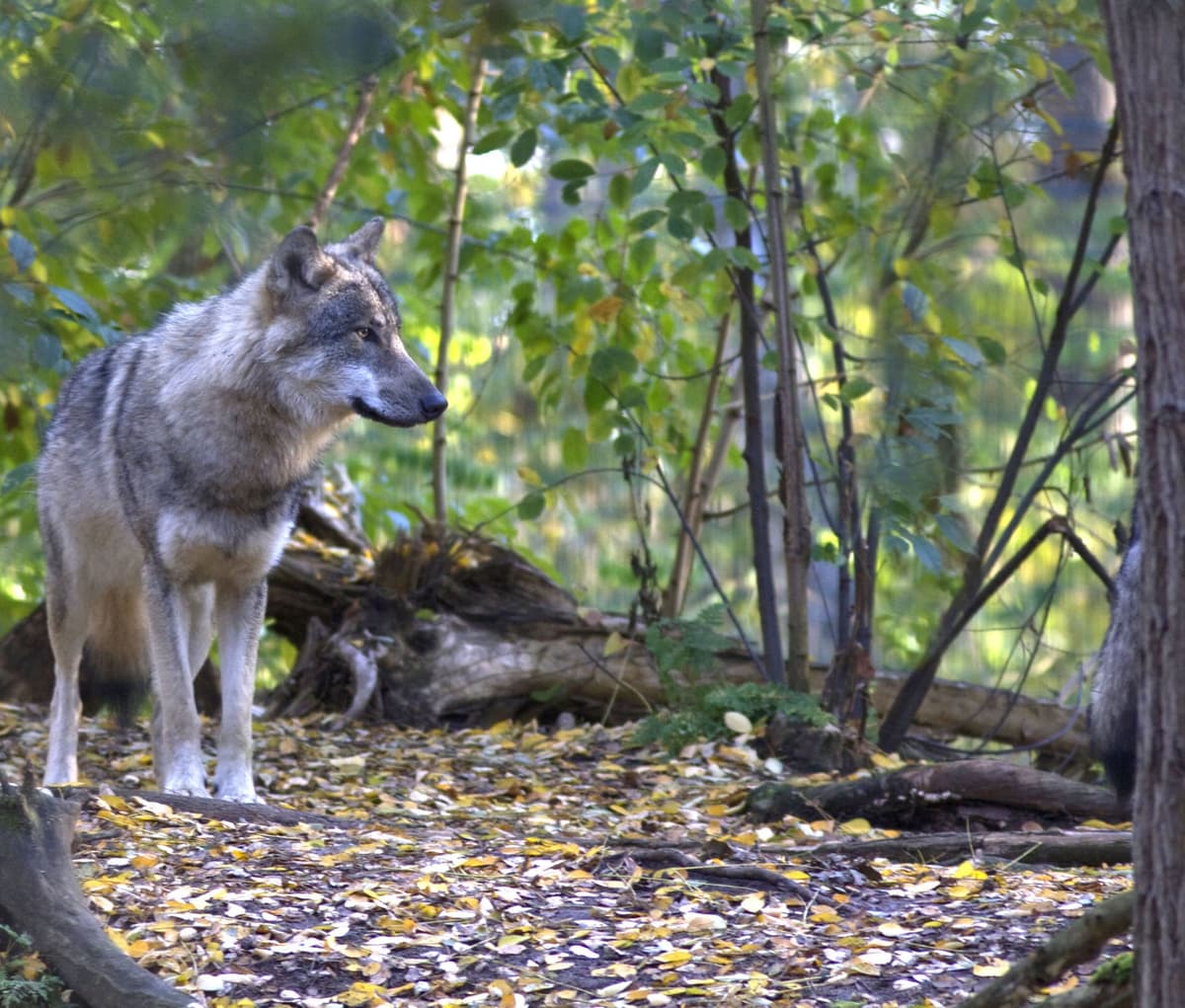
The change comes at the insistence of the European Parliament itself and fits within the Bern Convention, which recently downgraded the protected status of the wolf in Europe. Following a proposal from the European Commission, EU regulations will now also be adjusted accordingly.
After this adjustment, EU countries will have more leeway in managing their wolf populations. The aim is to control the number of wolves. Due to the strictly protected status, the wolf population in Europe has grown to 20,000. However, EU countries must still ensure that wolves have favorable living conditions and are not disturbed.
Moreover, EU countries can choose to continue regarding the wolf as a strictly protected species within their own national laws. In that case, stricter protective measures may be enacted at the national level. Countries can also adapt their policies to 'specific regional circumstances' this way.
Promotion
The European Commission submitted the proposal to the European Parliament. This required amending the Habitats Directive, a key pillar of European nature policy. The directive aims to protect biodiversity and vulnerable habitats and to restore them if necessary.
The Annex of the Habitats Directive contains lists of animal species with their protection status, based on the Bern Convention and the Bonn Convention. The wolf will thus change from ‘strictly protected’ to ‘protected’. Wolves are currently found in many places across Europe, demonstrating the success of European nature policy.