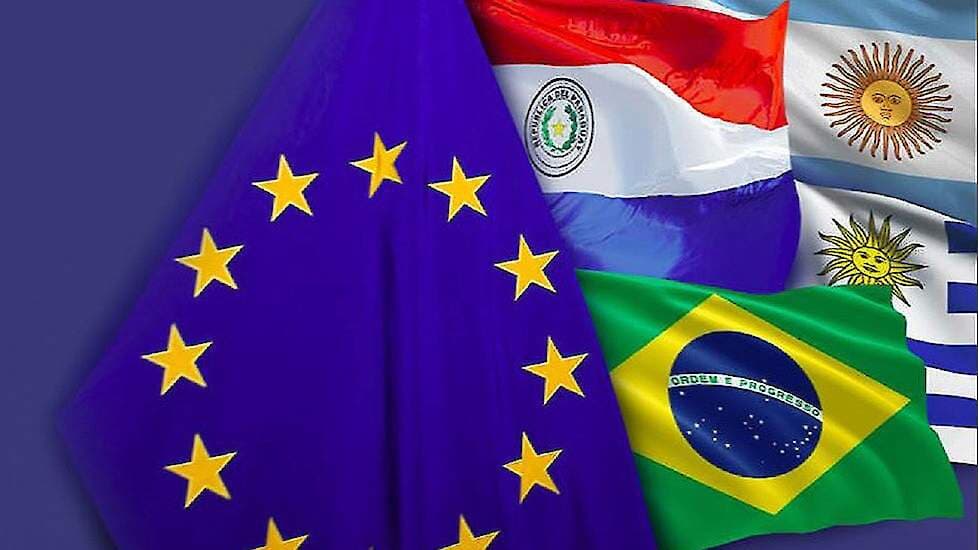
The European Commission wants to sign the free trade agreement with the Mercosur countries on Saturday in Paraguay. At the same time, opposition is growing in the European Parliament against the way the agreement is being pushed through, according to some EU politicians.
Others say that after 25 years of negotiations, it is high time the EU becomes a greater economic power and does not remain too dependent on the erratic trade policies of the United States.
The EU countries recently approved the agreement with a qualified majority. There was opposition from five countries, including the agricultural powers France and Poland, but that proved insufficient to block approval. This has started the next phase in the decision-making process.
Although the governments have expressed support, the agreement is not yet final. The European Parliament still has to express its views on the final text. Without the Parliament's consent, the treaty cannot fully enter into force.
At the same time, there is the possibility that parts of the agreement may already be provisionally applied. According to existing treaties, this can happen even before the Parliament has voted. It is precisely this possibility that is causing unrest among Members of the European Parliament.
Attempts to guarantee that the provisional application would wait until after the vote were later withdrawn by Brussels. This step has led to sharp criticism. Opponents call the withdrawal of such assurances damaging to trust in European decision-making and parliamentary oversight. Others involved point out that waiting for a parliamentary vote is not a fixed procedure.
Within the European Parliament, both far-left and far-right factions are preparing actions to block ratification. It has also been announced that a motion of no confidence against the European Commission will be submitted.
President of the European Commission Ursula von der Leyen has called on her European People’s Party (EPP) to continue supporting the trade agreement. This call comes amid opposition from European farmers who are protesting again on Tuesday in Strasbourg against the liberalization of imports of agricultural products.
Supporters of the agreement emphasize its economic and strategic importance. They argue that the European Union must strengthen its position in global trade, especially now that international trade relations are under pressure.