The two pro-Putin countries Hungary and Slovakia continue to oppose these stricter measures.
The European Commission presented a roadmap intended to make the EU fully independent from Russian energy by the end of 2027. This so-called roadmap follows earlier steps that already led to a drastic decline in imports of Russian oil and coal. Gas had so far largely been spared.
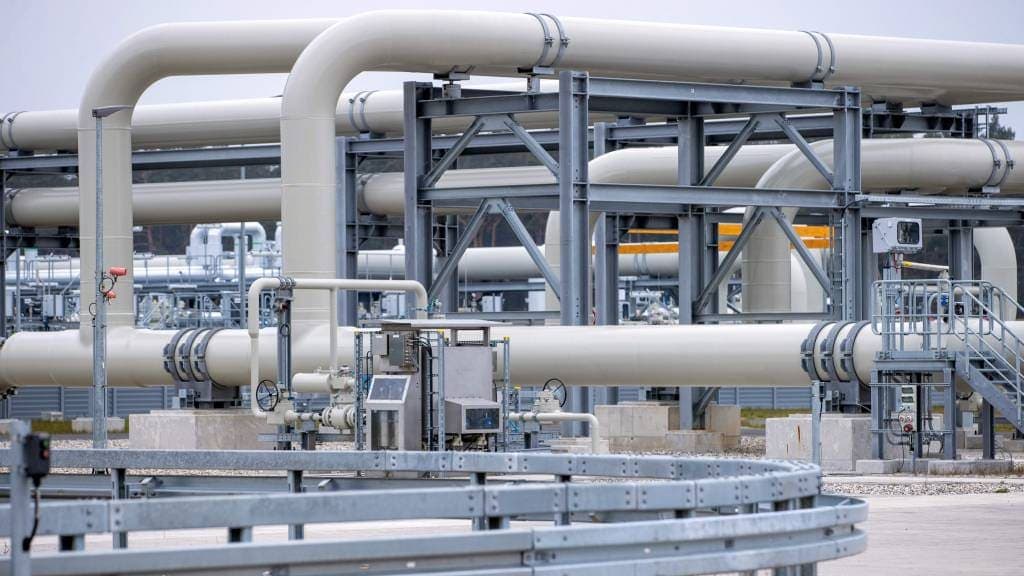
The boycott of Russian gas marks a new chapter in European sanctions policy. According to multiple sources, the proposal is to completely end all imports of gas – both pipeline gas and liquefied LNG – from Russia. Until now, some EU countries have avoided a full gas ban because they do not yet have replacement suppliers.
Especially Hungary and Slovakia openly oppose a total boycott of Russian gas. These countries continue to purchase Russian energy and are critical about the effect of the EU sanctions on their own economies. Their positions complicate a unanimous policy within the EU, which is ideally based on consensus.
At the same time, agriculture is also affected by the new anti-Russia sanctions. The European Commission and the European Parliament have agreed to impose import tariffs on fertilizer from Russia and Belarus.
Dependence on Russian fertilizer has significantly decreased, but the European market remains vulnerable. The proposed import tariff would rise to 30%, according to multiple sources. This rate applies to both nitrogen-containing and compound fertilizers, although not all technical details are yet known.
In the explanation of the measures, the Commission emphasized that ending energy dependence must go hand in hand with investments in ‘own European’ sustainable (energy) alternatives.
At the proposal of Dutch Member of the European Parliament Bert-Jan Ruissen (SGP), the European Parliament also calls for an evaluation and revision of the current EU Nitrate Directive. This directive aims to limit the amount of nitrate in soil and water. According to him, the current rules encourage the use of chemicals in agriculture, whereas reprocessed natural manure (Renure) could also be used.
Successive Dutch agriculture ministers have submitted proposals to Brussels for this purpose, but so far these have not been taken up by the EU Commission.
The approval by the European Parliament of the expanded sanctions against Russia is an important step, but the final implementation partly depends on the EU countries. The resistance of some countries and the complexity of the European energy market make it uncertain whether the 2027 deadline will actually be met.