

The European Union would be willing to adjust its position on fisheries in the Brexit negotiations. The talks between the two parties have been deadlocked for months. This is partly due to differing views on fisheries.
The United Kingdom wants to have control over its own fishing waters after Brexit and wishes to negotiate with the EU every year about possible EU access to British waters. Until now, Brussels has been unwilling to change the current situation but may now be reconsidering. The EU wants to seek a compromise as early as next week. A new round of negotiations between the two parties starts on Monday. This round is considered crucial.
This week in Brussels, the Fisheries Committee of the European Parliament took a definitive position on a future trade agreement with Great Britain. Dutch fishermen would lose as much as 38 percent of their total catch if they are no longer allowed to fish in British waters, researchers from Wageningen University calculated. Furthermore, 82 percent of all herring caught by Dutch fishermen comes from the British part of the North Sea. For mackerel, this is 62 percent.
Promotion
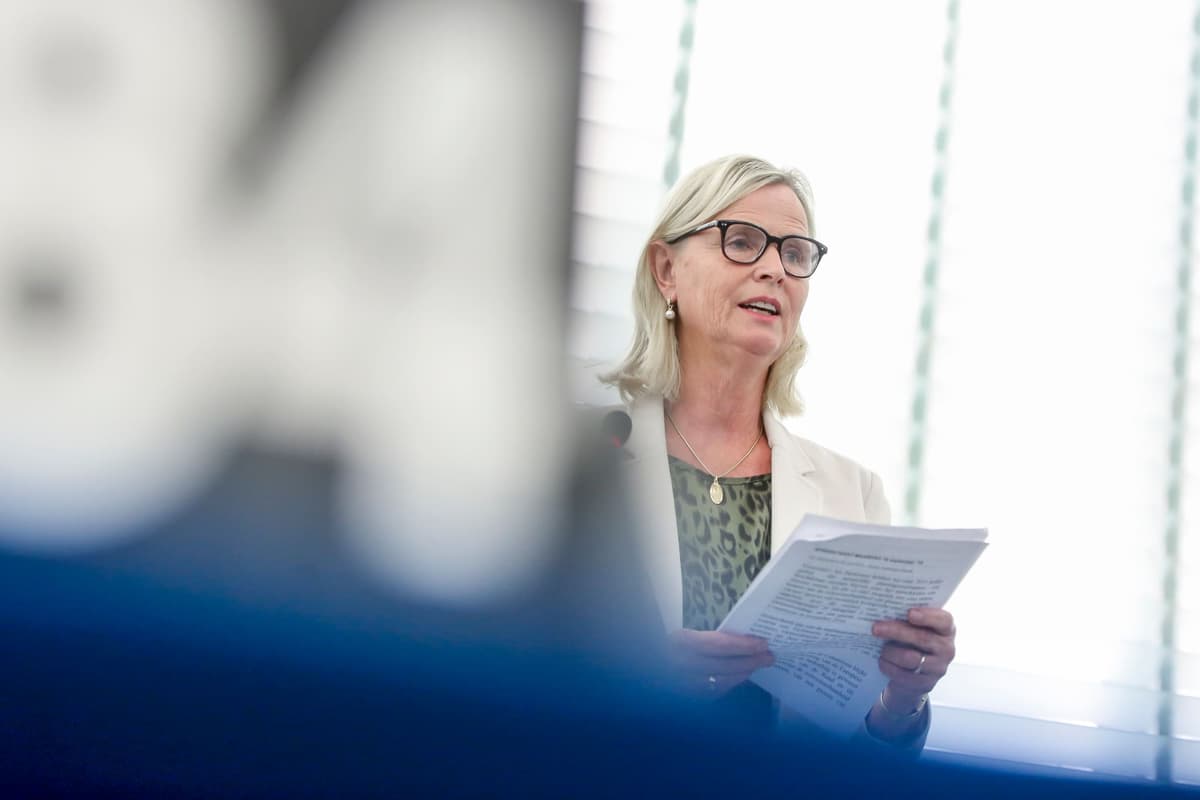
CDA MEP Schreijer-Pierik points to the economic reality. “Nearly 40% of the fish caught in Europe is caught in British waters and conversely 70% of British fishery products are exported to the European market. No fisheries agreement means no Brexit deal for us. The fisheries sector must not be forgotten in this big political game,” she said to Euractiv.
Together with her Christian Democratic French colleague François-Xavier Bellamy, she secured a large majority of the Fisheries Committee behind her proposals, which are now presented to the Brexit negotiators.
“It is impossible to reach an agreement between the European Union and the United Kingdom if there is no balanced long-term fisheries agreement ensuring permanent mutual access to waters, fishing grounds, and stocks,” Schreijer-Pierik stressed.
“Without an agreement, many direct and indirect jobs will be lost, and the socio-economic fabric of coastal areas and fishing communities will be harmed. It is in the interest of both parties to still agree on a balanced deal ensuring mutual access to fishing grounds and the allocation of fishing quotas.”