Ratifying the Mercosur treaty thus leads to new political tensions in Brussels, as the EU agriculture ministers are currently taking steps towards the final signing.
The Conference of Presidents of the European Parliament confirmed on Thursday that a resolution calling for a process next week will not be placed on the agenda. According to the sponsors of the draft resolution, this increases dissatisfaction because Parliament had previously voted dividedly on parts of the agreement. At the same time, pressure is mounting on the institutions to complete the process. Commission President Ursula von der Leyen wants to sign the agreement on December 20 and counts on timely completion of recently drafted additional legislation.
Part of this is a package of safeguard measures for European agricultural products, the so-called 'emergency brake.' The EU ministers recently approved these added safeguards. This allows Brussels to act more quickly if imports from Mercosur countries disrupt the European market. The measures focus particularly on sensitive products such as beef, poultry, and sugar.
According to several EU countries, these extra steps are necessary to address concerns of farmers and of countries that had been skeptical so far. It is expected that more countries will now be willing to support the agreement because of the new emergency brake. The Netherlands announced this week that it will now agree to ratification.
Nevertheless, the political landscape within the EU remains divided. France is among the countries that strongly oppose the current version of the treaty. President Macron has not yet given the green light. Other EU countries have also not given final approval, which keeps the outcome uncertain.
Farmers’ organizations in several countries continue to warn that imports of cheaper produced South American food could disrupt the European playing field. They fear that European producers will come under pressure despite the new safeguards. In several countries, the resistance has already led to protests.
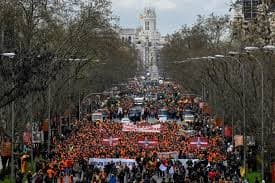
Farmers from, among others, France recently took to the streets to express their dissatisfaction with the trade deal. Elsewhere in Europe, agricultural organizations are preparing new protests. European farmers’ unions plan to hold a large demonstration with 'a thousand tractors' during the EU summit in Brussels on December 18.
The coming weeks will be crucial. The additional ‘emergency brake’ still needs to be approved next week by the full European Parliament in Strasbourg. Only then can the EU complete the full legislative package required to be able to timely sign the deal (on December 20 in Rio de Janeiro).