EU President Donald Tusk openly expressed opposition in a farewell speech to French President Macron’s blockade of the admission of North Macedonia and Albania to the European Union. He also disagrees with Macron’s plea against the United States within NATO and in favor of better relations with Russia.
Reflecting on his role as chairman of EU summits, he said he is concerned about the French blockade of North Macedonia and Albania. Tusk also rejected Macron’s call for a revision of relations with Russia, which has been impacted by European sanctions since the annexation of Crimea and interference in Ukraine.
With his criticism, Tusk more or less aligns with earlier reactions from several EU ministers and heads of government, including German Chancellor Merkel, Dutch Prime Minister Rutte, and European Commission President Ursula von der Leyen. They disagree with Macron’s reasoning that reforms are first needed within the EU before any work can be done on the potential admission of new member states.
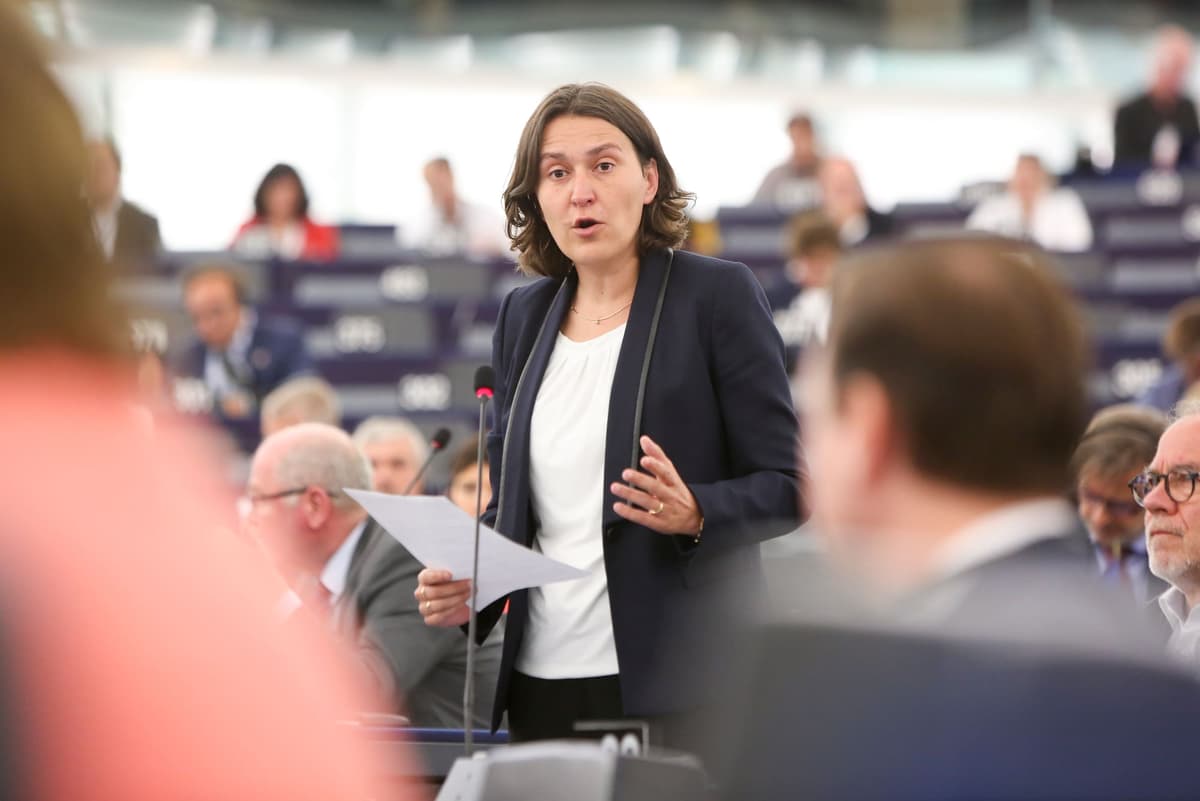
Dutch MEP Kati Piri called the decision to halt accession procedures a ‘strategic blunder’ in an article in the magazine of a Dutch international think tank. According to Piri, this damages the EU’s credibility. She says that as a result, those countries will instead turn to Russia, China, and Turkey for international agreements.
According to Piri, the fact that France and the Netherlands blocked accession is related to the public’s negative stance towards enlargements in those countries. Especially in France, there is significant fear of losing votes to Marine Le Pen’s Rassemblement National.
Outgoing EU President Tusk emphasized in his farewell speech the Brexit negotiations and maintaining sanctions against Russia as key parts of his goal: preserving European unity. Tusk again opposed a Europe of different speeds or a Europe in which Germany and France let the right of the strongest prevail.
He called it the greatest post-war mistake by the British to think that they will be a great power again after leaving the European Union. Tusk often heard Brexit supporters say that leaving the EU was necessary to make the United Kingdom a world power again. According to Tusk, the opposite is true: the British only matter on the world stage as part of the EU.
According to Tusk, the UK can only play a role on the world stage as part of a united Europe and confront great powers without complexes. The same can be said for France and Germany, he added. A month before the British parliamentary elections, the Pole has not yet given up hope for a turnaround.