

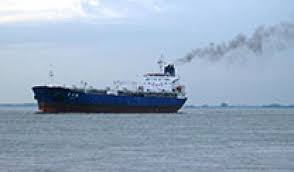
The social democrats in the European Parliament have appointed Dutch MEP Vera Tax as the negotiator on stricter requirements for air pollution from shipping. Tackling this pollution is necessary to achieve the climate goals (55 percent less CO2 emissions by 2030).
Approximately 14 percent of all CO2 emissions in the European transport sector come from shipping. This sector still relies almost entirely on fossil fuels. This must change, says MEP Vera Tax.
“Ninety percent of all our goods enter Europe through our ports aboard those gigantic ships with countless containers. Greening these ships will therefore prove crucial to realizing our climate ambitions,” Tax said.
Promotion
At the same time, this sector is also of great importance for the Netherlands and the Dutch economy. Container freight transport by water is already many times more sustainable than by airplane or road.
“We must make a careful transition without compromising Europe’s competitive position in this global sector. I am very hopeful. The sector acknowledges that change is necessary and is already investing in decarbonizing their current fuel mix. Take, for example, the port of Rotterdam, which is investing in hydrogen and encouraging companies to switch to climate-friendly fuel.”
The shipping shippers’ organization World Shipping Council (WSC) believes the European Union is overplaying its hand with plans to ban dirty bunker fuel. According to the lobbying organization, the proposal means that Europe attempts to regulate the fuel transition not only within the EU but globally as well. Shipping would face different environmental and climate rules in various parts of the world.
According to the FuelEU Maritime proposal, all sea-going ships over 5,000 tons must track their greenhouse gas emissions (CO2, ammonia, and nitrogen oxides). Emissions must be progressively reduced every five years. In addition, all container and cruise ships would have to use shore power in European ports by 2035 at the latest, so they no longer emit greenhouse gases while loading and unloading.