The talks come after weeks of intensive consultation between the Belgian government and the European Commission. The Commission wants to deploy about 140 billion euros of frozen Russian funds, held in an account at the Euroclear bank in Brussels, for a major loan to Ukraine.
Euroclear is now at the center of the negotiations. Because of this central role, Belgium faces more risk than other EU countries, which refuse to disclose details about their own frozen Russian assets.
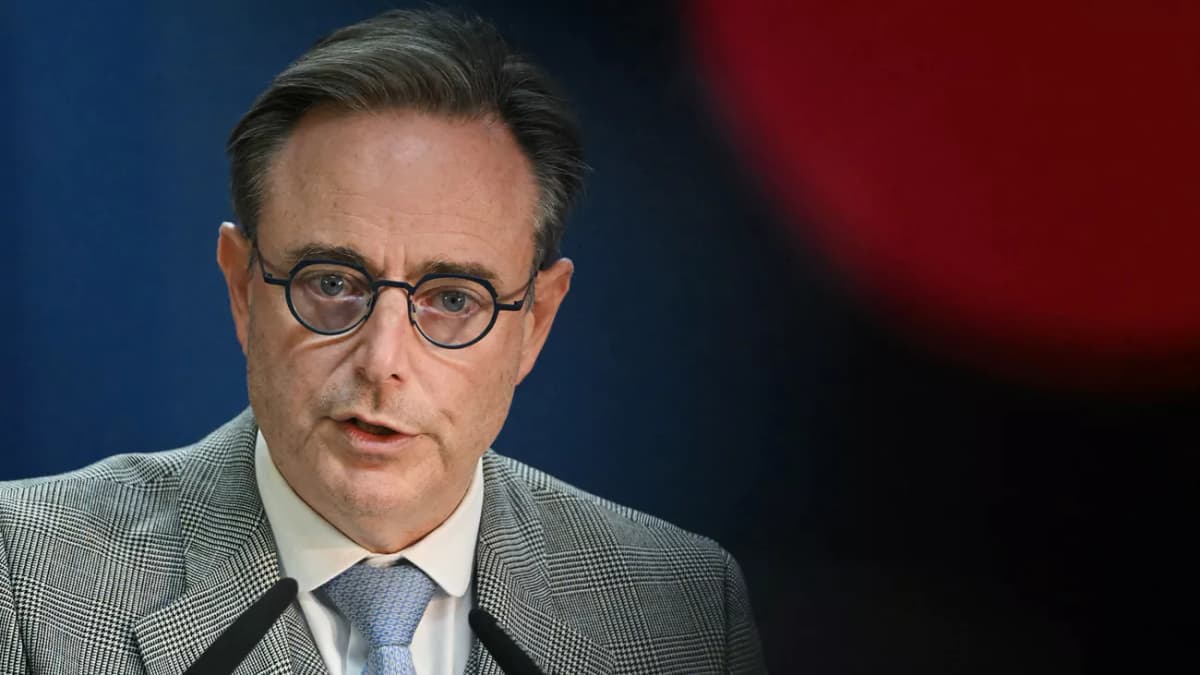
Prime Minister De Wever is currently refusing approval until his country receives firm guarantees that Belgium will not be liable for any potential damage claims from Russia. He believes that the financial and legal risks should be shared jointly by all EU countries.
According to sources in Brussels, the European Commission is trying to address Belgium’s concerns by developing a series of legal safeguards. These include shared liability and EU-wide guarantees in case Moscow takes legal action.
De Wever complains that Belgium is unfairly seen as the sole “biggest scapegoat,” while other Western countries remain silent about their share. He demands greater transparency from European and G7 partners regarding the whereabouts of the remaining 300 billion euros in Russian assets.
The United States has meanwhile expressed its support for the European plan, hoping that an agreement will be reached this month. This increases the pressure on Belgium to drop its opposition.
Still, the Belgian prime minister remains cautious. He wants the European Union to take full responsibility for any potential legal consequences. According to insiders, De Wever will only agree if the EU gives him such assurances in writing.
European heads of government hope to reach an agreement at their summit in December. However, without Belgium’s consent, the plan cannot proceed.