The British government is postponing the introduction of full customs checks on goods transported between Ireland and Great Britain once again. The checks on incoming goods from the European Union, especially food and agricultural products, will take effect on January 1. The latest British statement does not mention customs checks on transport across the Channel.
London says that checks to and from Ireland cannot be implemented as long as negotiations continue over the Northern Ireland Protocol. The British have already postponed that date twice to negotiate with the EU about the special status of the British province of Northern Ireland on the island of Ireland. The EU has accepted these postponements so far but holds the British to the earlier customs agreements. The EU has not yet responded to the latest postponement.
During the Brexit negotiations, the British government secured an exception (“unrestricted access”) for goods entering Great Britain from Northern Ireland, but a year after leaving the EU it is still unclear how this promise will be implemented in practice.
The British government is aiming for major changes to the protocol — which concerns the transportation of goods from Great Britain to Northern Ireland — arguing that the required checks harm businesses and fuel tensions in the community.
British EU Minister Frost said that implementing such checks would be particularly complex due to specific provisions for “unrestricted access” for goods from Northern Ireland, and because of current standstill arrangements for the implementation of the Northern Ireland Protocol.
He also said that customs checks cannot be introduced while negotiations over the protocol are still ongoing. Mr. Frost stated that those negotiations would not be definitively concluded by January 1.
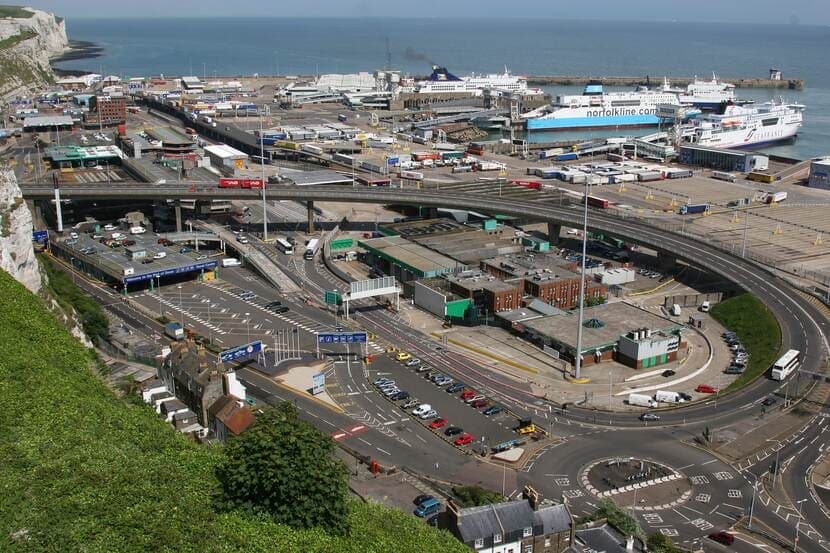
Last month, a British government spending watchdog warned that the United Kingdom is still far from ready to impose checks on all EU imports next year. It cautioned that British ports do not yet have the infrastructure needed to carry out such checks.
Currently, import and border controls already apply in the United Kingdom for a limited number of goods, such as alcohol, tobacco, (bio)fuels, fishery products, live animals, and “high-risk agricultural goods” such as trees and perennials. For these last categories, a veterinary or phytosanitary health certificate from an inspection in the country of origin is required.