Analyses of trade data show that British farmers have consistently sold less on their main export market since leaving the EU. The decline applies to almost the entire sector and is described by those involved as significant and persistent.
The figures are based on data analyzed by the National Farmers’ Union. These show that total sales to EU countries have decreased by nearly two-fifths since leaving the Union, measured over a period of about five years.
Within the agricultural sector, clear differences are visible. Poultry exports to the EU have fallen the most, by 37.7 percent. Beef follows with a decline of 23.6 percent. Lamb meat decreased by 14 percent and dairy products by 15.6 percent.
According to the NFU, these figures demonstrate how vulnerable the British agricultural sector has become. The organization emphasizes that the decline cannot be attributed solely to Brexit, but it clearly shows the intense pressure farmers have faced in recent years.
The NFU also warns that simply reducing trade barriers does not offer a quick solution. Even if frictions are removed, the EU market will not automatically return for British products. Rebuilding demand, the organization says, requires time, effort, and dedicated focus.
Against this background, talks between the United Kingdom and the European Union about the future trade relationship are currently underway. These involve regular consultations about agriculture and broader economic cooperation, in preparation for meetings at the leadership level.
At the same time, an earlier British government report points out that uncertainty among farmers remains high. The sector was described as "dazed and anxious," partly due to unclear support schemes and policy changes following Brexit. That sentiment forms the backdrop against which the current discussions are taking place.
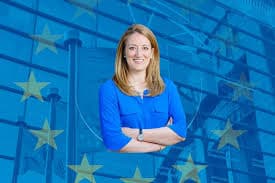
In political circles, there is also open discussion about repairing or resetting the relationship between London and Brussels. There is a call not to let old Brexit tensions continue to block cooperation—especially now that the international context has become more uncertain. Even Roberta Metsola, Chair of the European Parliament, recently called for healing old wounds.
“Ten years after Brexit … and in a world that has changed profoundly, Europe and the United Kingdom need a new way of cooperating in trade, customs, research, mobility, and security and defense,” Metsola said. “Now is the time to dispel the ghosts of the past.”
The article Chair of European Parliament Wants Talks Between Britain and EU on Brexit Reset first appeared on IEDE NEWS.