

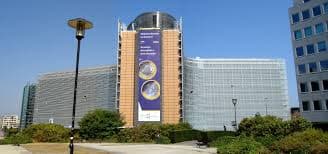
In front of the Berlaymont building of the European Commission, dozens of young people from the EU-wide Climate Movement once again demonstrated against the new CAP agricultural policy. Just like the past two weekends, the youth distributed pamphlets to passersby.
According to the climate youth, the new CAP does not address the climate crisis. On the other hand, the European umbrella organization of young farmers (CEJA), the opponents of the CAP reform, calls on protesters to stop their demonstrations and to contribute ideas for improvements within the framework of the legislative texts currently on the table.
Last week, both the European Parliament and the Council of Agriculture Ministers established their positions on the desired modernization of the European Common Agricultural Policy. However, these positions are significantly less ambitious than the proposal from the European Commission.
Promotion
The left-wing groups in the European Parliament therefore voted against the rollbacks, and have now, together with Climate and Environmental organizations, called for the entire proposal to be withdrawn.
About one-third of the EU budget will go to agricultural policy over the next seven years, but according to the climate youth, this only contributes to further loss of biodiversity by “promoting intensive monoculture farming with the use of pesticides.” The organization intends to continue increasing pressure on European policymakers in the coming weeks through online and offline campaigns.
European agricultural youth are also not satisfied with the current texts of the new agricultural policy. They call it “a non-legally binding vision document prepared by a small group of people in the Berlaymont building, presenting an inaccurate and incomplete view of the reality, dynamics, and ambitions of 21st-century agriculture.”
But that does not mean young farmers lack awareness of the objectives of the European Green Deal. They also state that they want to defend the current status quo.
The organizations of young farmers have always been a critical but constructive voice in the debate, it is said. “Even for us, the proposed reform does not fully meet the ideas and vision we have for the future of European agriculture,” they state.