Cyprus begins its presidency at a time when the European Union is facing serious challenges. International conflicts and geopolitical uncertainty shape the agenda. The country wants to actively guide the role of the EU on the world stage during this period.
This is the second time Cyprus is holding the rotating presidency. The European context has changed significantly in the past fourteen years. Where economic issues previously dominated, now security, international conflicts, and political positioning are central.
President Nikos Christodoulides emphasizes that the European Union must become stronger and more independent, while remaining open to cooperation with other parts of the world. Security and defense form an important part of the agenda. Cyprus wants to support initiatives that strengthen European defense and increase the EU’s preparedness.
The war in Ukraine plays a central role. Cyprus wants to ensure that Ukraine remains high on the European agenda. This topic is explicitly linked to discussions about security, foreign policy, and the future of the European Union.
EU enlargement will also receive attention. Cyprus seeks progress in accession processes and views enlargement not only as a political choice but also as part of Europe's broader security and stability.
Besides Ukraine, the presidency will focus on the Middle East. Cyprus stresses the importance of stronger ties and better cooperation between the EU and countries in that region, given the ongoing tensions there.
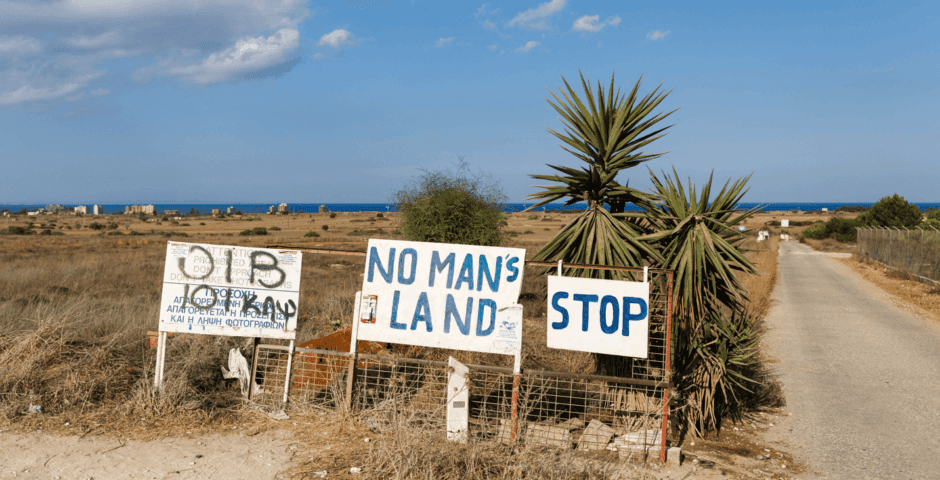
The Cypriot presidency will also bring the issue of the Turkish occupation (since 1974) of part of Northern Cyprus back into focus. For decades, the international community has (unsuccessfully) attempted to bring both countries to the negotiating table. Recently, there appears to be a more conciliatory stance from the Turkish side.