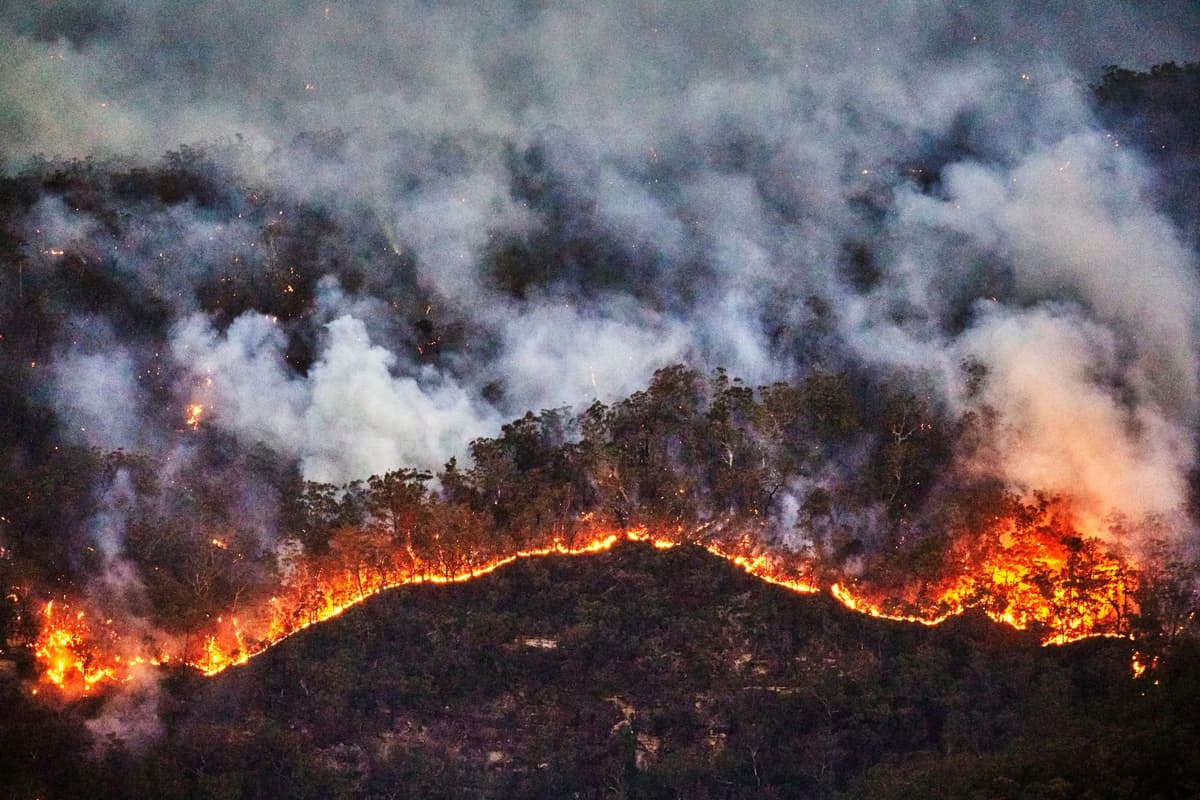
In Spain, Portugal, France, Greece, and other countries, large fire zones are raging that are barely coming under control. High temperatures and strong winds make firefighting virtually impossible. Large sections of natural areas have been completely destroyed, and plumes of smoke extend far beyond the affected regions. Emergency services are working overtime and in some cases receive reinforcements from abroad.
The death toll continues to rise. Several countries report casualties among both residents and emergency responders. Additionally, there are hundreds of injured, often due to smoke inhalation or while attempting to save property. Thousands of people have been evacuated from villages and tourist areas. Material damage runs into the hundreds of millions of euros, but a full assessment is not yet available.
The drought fueling these fires also has far-reaching consequences for drinking water supplies. In large parts of France, Spain, and Italy, irrigation and sprinkling bans have been imposed. Farmers struggle with crop failures, pastures are drying out, and livestock suffer from a lack of water. In some regions, reservoirs are at risk of becoming so depleted that households will also face restrictions.
Several countries have called on the European Union to allocate additional financial resources. There are appeals for a special disaster fund from which affected regions can be immediately supported. Additionally, they request more coordination in deploying foreign firefighting aircraft and specialized personnel, because national resources often prove insufficient.
At the same time, farmers in some countries receive limited emergency aid. Support packages have been announced to partly compensate for losses due to burned crops and destroyed barns. Nevertheless, agricultural organizations emphasize that this aid covers only a fraction of the damages suffered and that prolonged drought poses structural threats to food production.
The situation is becoming increasingly urgent as weather forecasts show little improvement. Meteorological services predict that drought and heatwaves will continue in many areas over the coming weeks. Rainfall remains scarce and is often so localized that the pressure on agriculture and nature barely decreases.
Experts warn that the current season may be a foretaste of what Europe is likely to face more often in the future. The combination of higher temperatures, longer periods without rain, and densely populated areas makes the continent especially vulnerable. The call for a joint European approach, both in emergency aid and prevention, is growing ever louder.