

A British departure from the European Union is particularly harmful to Dutch agriculture, the food and beverage industry, trade, and transport. If the EU has to make concessions to the British, this could also affect European fisheries in UK waters.
Especially for the Randstad region, a lot is at stake in negotiations over a trade agreement between the British and the European Union. The Netherlands Environmental Assessment Agency (PBL) investigated which sectors will suffer the most damage if tariffs are re-imposed on imports and exports next year. The study was conducted in collaboration with economists from universities in Rotterdam, Birmingham, and Sheffield.
According to the PBL, the United Kingdom, particularly London, depends heavily on a good deal, while in Europe the interests are conflicting and divided. For countries such as France and Sweden, the details of the deal are also important for their competitive position, but there the positive and negative effects of Brexit largely balance each other out.
Promotion
The average importance is smaller in the EU as a whole and in the United Kingdom than in the Netherlands. For sectors that mainly export to the United Kingdom, the tariffs to be negotiated will have a great influence. These include agriculture, the food industry, trade, and transport. The Netherlands, especially the Randstad, therefore has the most to lose from a poor Brexit deal, according to the economists and researchers.
A no-deal Brexit (without a trade agreement) will likely cost the entire eurozone 33 billion euros. In the eurozone, only Germany will be hit harder than the Netherlands. For the British, a Brexit without a deal has even more impact with a 5 percent contraction of gross domestic product and a 15 percent loss of export value.
European chief negotiator Michel Barnier has been back in the British capital since Thursday. Both parties have a few weeks left to force a breakthrough. If not, customs tariffs on trade across the Channel threaten to come into effect from January.
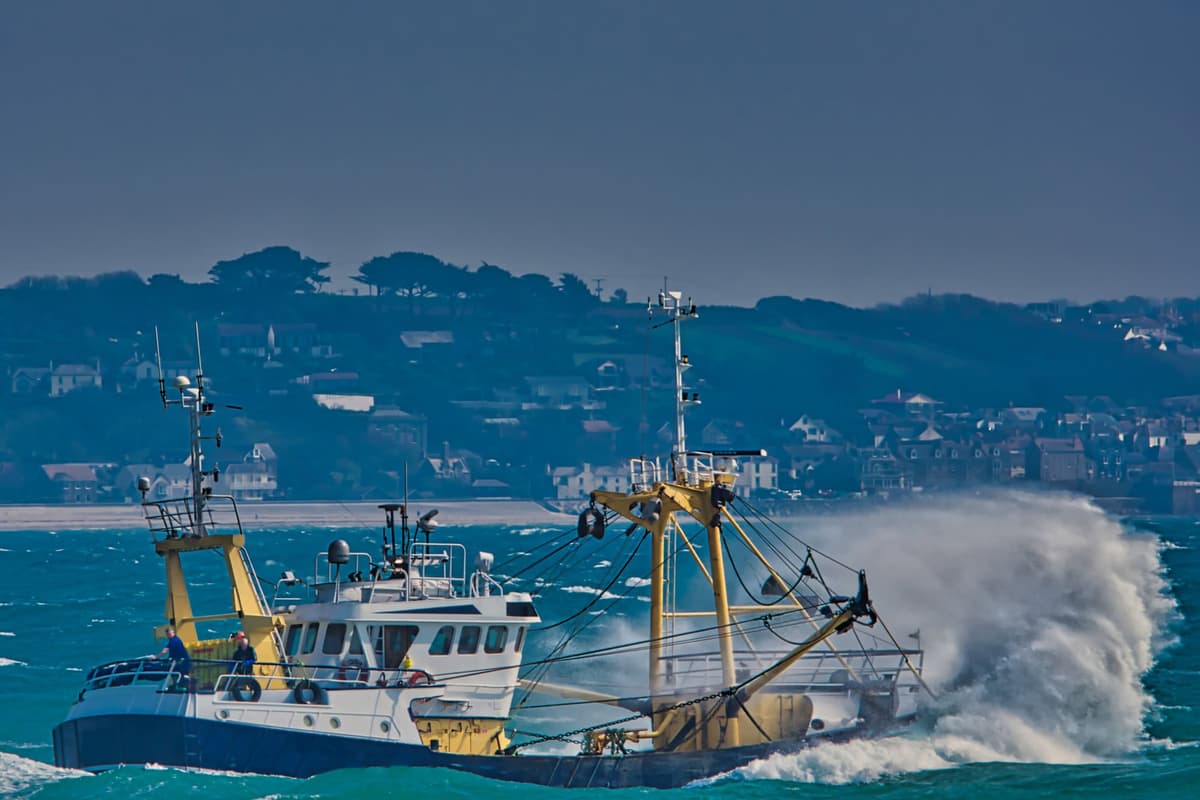
France is reportedly willing to restrict fisheries. The country wants to use this to give the negotiations a boost. France has 20,000 fishermen plus another 10,000 jobs in the fishing industry. On average, between 2011 and 2015, nearly 100,000 tons of fish were caught in UK seas with a value of 171 million euros, accounting for more than 2,500 jobs.