

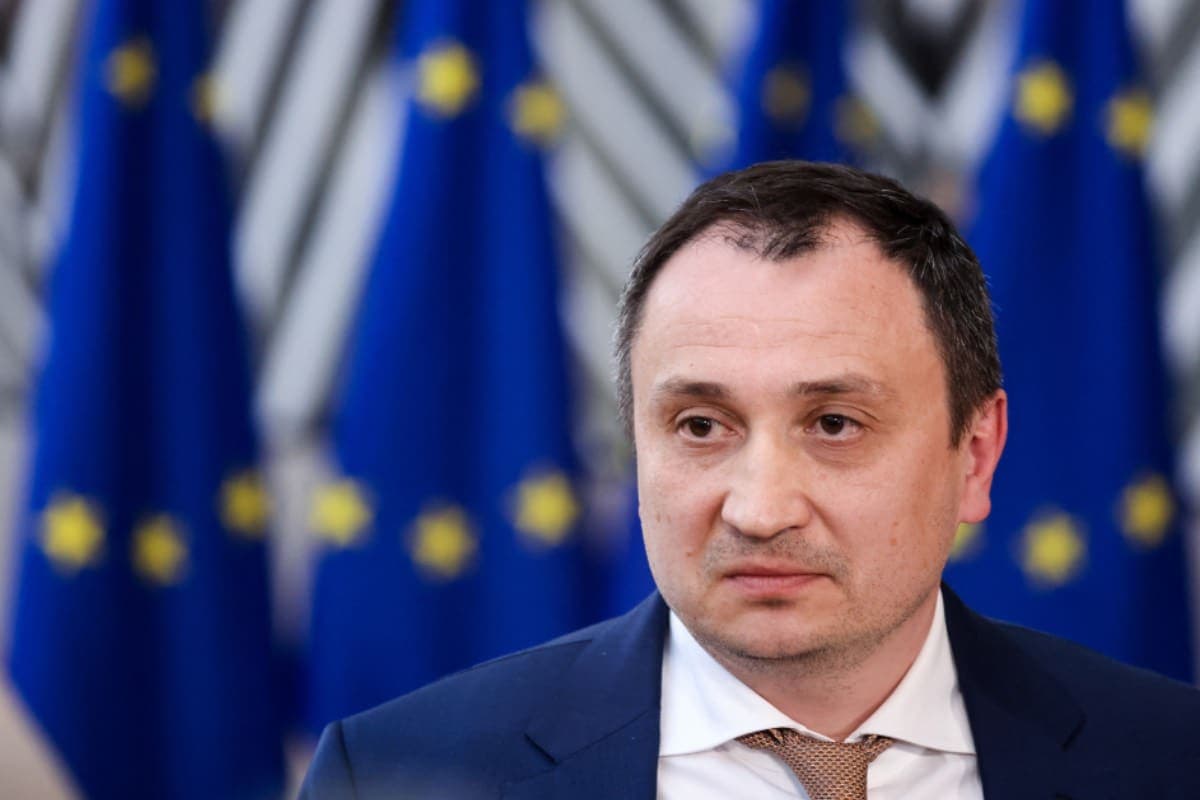
Solsky was elected to the Ukrainian parliament in 2019 and was appointed Minister of Agriculture in March 2022 shortly after the Russian invasion. He was widely praised for restarting grain shipments across the Black Sea and for the rapid recovery of Ukrainian agricultural exports.
Over the past twenty years, after the dismantling of Soviet structures, many Ukrainian government assets (including fertile farmland!) have come into the hands of various wealthy businessmen and oligarchs. The 44-year-old Solsky owns several agricultural enterprises and is one of the richest Ukrainian officials. He is so far the highest-ranking minister in President Zelensky’s government to be named as a suspect in a criminal case.
Last week, EU countries and Ukraine reached an agreement on the reform of state organization in agriculture and the privatization of parts of the state economy. Ukraine agreed to 69 recommendations and 10 investments. Approval of the plan paves the way for disbursement of several tens of billions of euros in aid, as decided earlier this year at the EU summit.
Promotion
The funds are primarily intended to ensure the continuity of the Ukrainian state's functioning in the fight against the Russian occupation of southeastern parts of the country. €17 billion will be non-repayable aid, and €33 billion will be provided as low-interest loans guaranteed by EU countries. The current agreement covers the years through 2027 and is entirely separate from the accession negotiations that Brussels began earlier this year with Ukraine.
Additionally, the current financial support will be made available on the condition that Ukraine continues to respect effective democratic mechanisms such as a parliamentary multiparty system and the rule of law, and guarantees human rights.
The agreed changes will cover fifteen areas, including energy, agriculture, transport, ecological and digital transformation, as well as state enterprises and public finances. The aid also depends on maintaining the judiciary’s independence, strengthening public administration reform, and combating corruption—particularly high-level corruption—and money laundering.
This improvement trajectory addresses criticism and concerns in EU countries about inadequate state oversight and possible corruption in the Ukrainian administration. In agricultural circles, special attention is given to the privatization of former agricultural cooperatives and the still problematic admission of foreign investments in farmland purchases. The funds are also intended for improving the judiciary and establishing a cadastre.