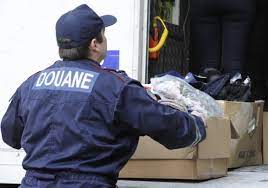
Moreover, EU countries insufficiently share their experiences with one another. The Court of Auditors blames the European Commission for inadequate supervision. Four years after the start of Russia's war against Ukraine, these shortcomings mean that the EU sanctions can still be circumvented, according to the auditors.
By Country
Trade sanctions are an EU responsibility, but enforcement falls to the national customs authorities of the 27 EU countries. Since February 2022, the EU has gradually introduced 21 sanction packages to weaken Russia's war efforts. These are the most far-reaching sanctions Brussels has ever imposed.
The EU has taken measures to prevent EU exports from reaching Russia via third countries. These sanctions have significantly reduced trade between the EU and Russia and have cut back the direct export of critical military goods.
Military Use
Despite this, reports still emerge about European military goods being used in Russian weapons. Earlier this week, it was revealed that ICT technology manufactured in the Netherlands is still being used in the production of Russian drones. Last month it became clear that aluminum raw materials produced in Ireland are being supplied to Russia.
The EU auditors criticize the different ways in which EU countries interpret certain exemption clauses. Sometimes the sanctions are phrased so vaguely that EU countries can adopt different interpretations. This facilitates companies routing their trade through those EU countries, opening the door to circumvention.
Reduced Trade
Since 2022, trade between the EU and Russia has plummeted, though it has not come to a complete halt. For example, some EU countries still allow port facilities to be used to keep the Russian 'shadow fleet' of oil tankers operational.
In terms of trade, the EU has dropped from Russia's most important to its third-largest trading partner. In 2025, the EU accounted for about 10% of Russian goods trade, valued at 58 billion euros. In 2021, this was five times as much.
The impact on imports was estimated at approximately 110 billion euros, or 75% of pre-war levels. Overall, the EU sanctions have been largely successful, but conducting business with Russia via intermediary countries remains a problem, according to the ECA report.