On Thursday, the European Union will discuss at an extraordinary summit the use of the so-called instrument against economic coercion. This tool is intended to punish countries that use trade as a political pressure tactic. It is considered a severe option and has never been activated before, but it is on the table.
In addition to this anti-coercion package, other trade measures are being prepared. EU ambassadors concluded on Sunday that the bloc must quickly have concrete options available if talks with Washington fail to produce results. A reactivation of previously suspended import tariffs is mentioned as one option.
European leaders will meet this week for urgent consultations. Furthermore, talks are planned with the US president on the sidelines of the World Economic Forum in Davos. Afterwards, a separate EU leaders’ summit is expected to take place to determine further steps.
The European Parliament has also expressed its stance. The parliament wants to decide this week in Strasbourg to freeze the trade agreement between the EU and the US that was concluded at the end of last year. That agreement provides for US import tariffs of 15 percent in exchange for waiving additional European tariffs.
At the same time, calls for restraint are being voiced within the EU. Diplomats emphasize that capitals want to take time to determine the right course. There is broad support for responding, but not for a rapid escalation without consideration.
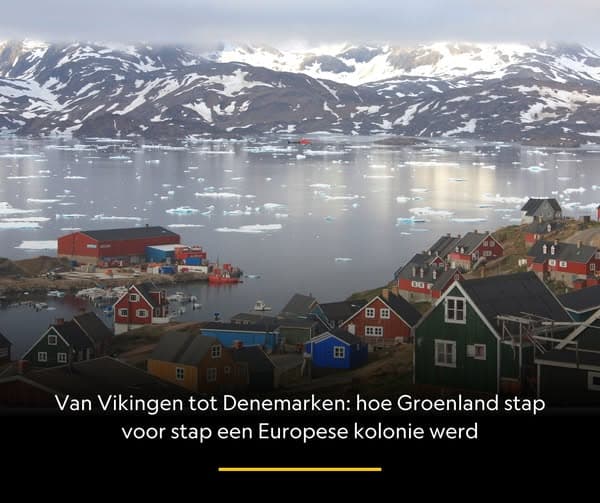
The reason for the consultations is the announcement by the US president to introduce special import tariffs against eight European countries. The tariffs of ten percent would start on February 1 and rise to 25 percent in early June if no agreement is reached on Greenland.
The tariffs apply to all goods exported to the United States. They will remain in force until, according to the US president, a full and comprehensive agreement on Greenland is reached. It is unclear how this measure is legally justified.
Parallel to the trade conflict, military presence in Greenland has increased. European NATO countries have sent reconnaissance teams for joint exercises. The United States has sharply criticized this deployment, while European governments refer to transparent defensive measures.