The Commission proposed a wide range of deregulation measures in February, including a “simplification omnibus” which exempts thousands of smaller companies from obligations related to sustainability and climate reporting.
Ombudsman Teresa Anjinho states that the Commission did not conduct an impact analysis, public consultation, or coherence review before withdrawing these obligations.
She criticizes the extremely expedited process: internal consultations within the European Commission lasted only 24 hours instead of the usual ten days. No emergency was demonstrated that would justify such haste, the Ombudsman says.
The Commission defends itself by stating that smaller companies were already subject to sustainability rules this year and urgently needed clarity within the economic stimulus program.
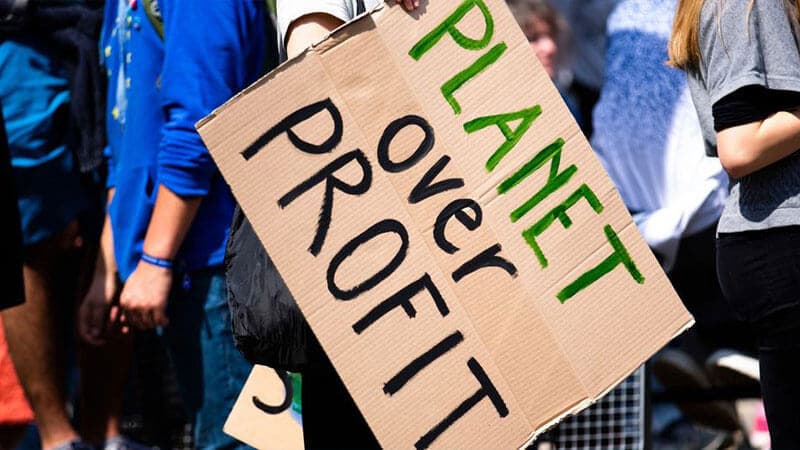
Environmental and consumer organizations express concerns that foregoing mandatory assessments and controls for smaller companies could lead to increased damage to the environment and climate, and to a decline in product quality.
They argue that the Commission violated the procedures for ‘better law-making’ by not organizing public consultations, not conducting an impact study, and not explaining why regulatory burdens were suddenly reduced.
The Ombudsman points out that such premature removal of rules without prior investigation can undermine trust in Brussels and detracts from democratic transparency within EU institutions.
The European Commission must respond in writing to the Ombudsman’s questions by 15 September at the latest, in accordance with existing procedures.