The core issue in Ireland is the inadequate treatment of sewage, resulting in urban surface waters failing to meet minimum standards. This has led to a new European legal procedure against Ireland, stating that current measures do not yet comply with European obligations to protect nature and water quality.
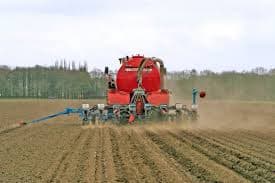
In all three countries, livestock farming and the use of manure or artificial fertilizer are central to the debate on water quality. Ireland recently obtained permission to spread more manure, which remains legally contested and it is not yet clear whether Irish farmers can meet even stricter conditions.
Just a few weeks ago, Ireland was granted permission to exceed nitrate standards for another three years, provided Irish farmers and dairy producers demonstrably reduce their pollution. Whether and how they will do so remains unclear. A recent study in Ireland showed increasing nitrate pollution in some river catchment areas.
In Germany and the Netherlands, nitrate pollution largely results from agricultural activities such as spreading manure on pastures. The Netherlands also requested a temporary exemption from the EU but was denied. Germany, on the other hand, is being called out for still lacking sufficiently promised earlier measures.
Legal pressure also plays a significant role in Germany. It was established several years ago that the approach to nitrate pollution did not meet European requirements. Court rulings have forced the German government to develop additional action programs and tighten policies.
The previous center-left German government therefore implemented a new manure law allowing less manure to be spread in already heavily polluted areas. However, the new CDU-led government has reversed that decision, putting Berlin at risk of facing looming multimillion-euro fines from Brussels.
The Netherlands is also under pressure from the European Commission. A request for temporary permission to apply additional manure on farmland (derogation) was rejected by Brussels, meaning the Netherlands remains bound by existing European restrictions.
In the fight for nature restoration and against environmental pollution, the Netherlands is failing to reduce nitrogen emissions, mainly because it has so far refused to shrink the large livestock population of dairy and pig farms.
Additionally, The Hague risks conflict with the EU nitrate pollution directive because the Netherlands not only missed the 2025 target but has also not presented plans to Brussels for 2026 and 2027 to reduce nitrate pollution.