

The European Commission has established an independent European regulator in the fight against money laundering and terrorism financing. The new authority is expected to start operations in 2024.
The Netherlands strongly supports independent EU supervision of financial flows, as money laundering of criminal funds is a cross-border problem.
Outgoing Finance Minister Wopke Hoekstra has been lobbying for a European authority for some time, together with several other EU countries including France and Germany. Currently, enforcement of anti-money laundering laws is handled nationally.
Promotion
Minister Hoekstra previously expressed great concern about the infiltration “into the upper world” by, among others, drug and fraud money. In the Netherlands, he estimates this amounts to 15 to 20 billion euros annually. Criminals take advantage of loopholes in existing EU legislation.
It is yet to be decided where the regulator (English abbreviation: AMLA) will be based. The AMLA will have powers including fining banks and companies if they violate rules meant to prevent money laundering practices.
Europe has been shaken several times in recent years by scandals around money laundering cases primarily involving large banks in various countries. In the Netherlands, ING, Rabobank, and ABN Amro were fined heavily for this.
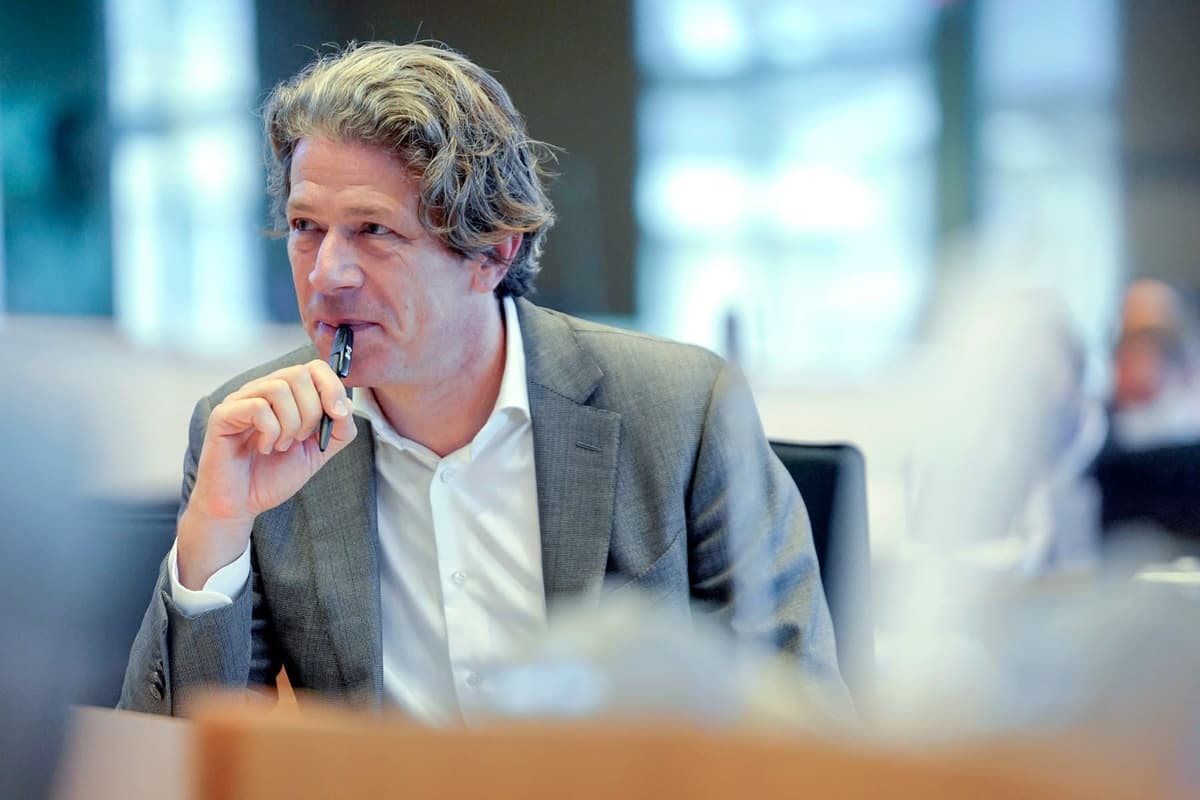
Dutch Labour MEP Paul Tang expects a tough approach from the Commission. “The Netherlands is the main European hub for drug criminals. This is partly due to an outright weak approach to money laundering. In fighting the high-tech drug lords, banks and enforcers come armed with water pistols.”
Tang said: “Criminals do not respect national borders. There is already deep international cooperation for traditional crime. However, financial criminals easily slip through the net due to a lack of European cooperation. A EuroCop that stimulates cooperation and supervises real estate agents, lawyers, and casinos is necessary to combat drug crime.”