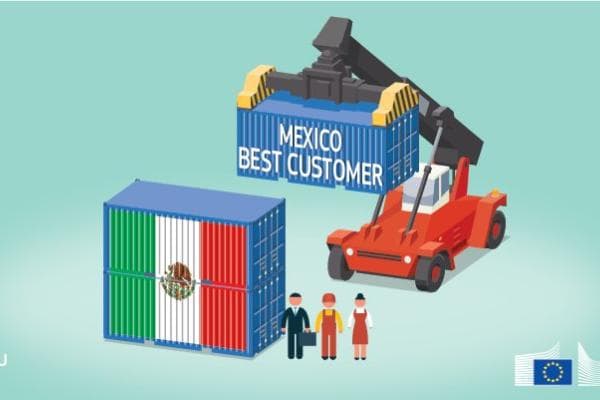
EU Agriculture Commissioner Christophe Hansen is visiting Mexico from November 16 to 19 accompanied by more than a hundred representatives from European companies and agricultural organizations. The program includes talks with Mexican importers and traders, visits to sales points, and meetings on new trade opportunities. Especially small and medium-sized enterprises should benefit from this.
No import tariffs
The European delegation represents producers of meat, dairy, cheese, wine, beer, spirits, olive oil, vegetables, fruit, and processed food products. The renewed trade agreement provides for the abolition of 95 percent of import duties on agricultural products. Customs procedures should also become simpler.
Mexico is considered an important trading partner for the EU in Latin America. The European trade mission aims to bring companies from both regions closer together. Hansen wants not only increased trade but also cooperation on more sustainable food production. The new trade arrangements should give European producers easier access to Mexican customers.
Mercosur
The European trade activities in Mexico follow the initial results of another free trade agreement with the four South American Mercosur countries Brazil, Argentina, Paraguay, and Uruguay. That agreement has been provisionally applied since May 1. After six months, the first trade figures indicate a significant growth of Brazilian agricultural exports to Europe.
Between May and September, the value of Brazilian exports rose by almost 15 percent. The exported volume increased by more than 8 percent to 17.74 million tons. Especially soy, honey, fruit, and coffee found more buyers. The export of products benefiting from lower import tariffs grew by 21 percent.
Notable is the strong growth of Brazilian meat exports, which increased in volume by 170 percent. This is mainly exports of chicken meat. However, export restrictions still apply for beef, such as requirements regarding traceability of origin.
Subsidy
The Spanish agricultural organization UPA notes that after six months, the Mercosur agreement has not caused broad disruption of agricultural markets in the EU. At the same time, Brazilian figures show that South American producers have significantly expanded their sales on the European market.
The EU spends hundreds of millions of euros annually on the promotion of European agricultural products and foods such as meat, dairy, wine, and organic products. The European Parliament wants to simplify access to promotional funds, while agricultural cooperatives advocate for more investment support.