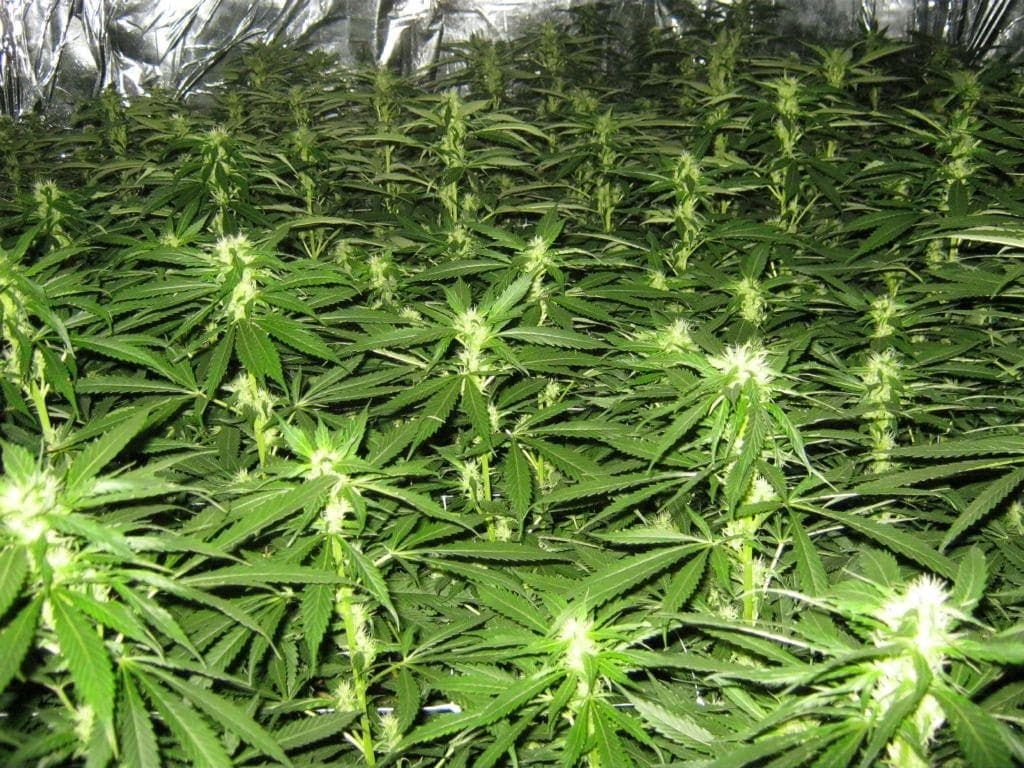
Driven by economic necessity, farmers are choosing a crop that is profitable but also illegal and risky. The consequences are profound, ranging from increased crime and violence to problems with food security and international criminal involvement.
Especially in northern Albania, where farmers have long cultivated vegetables and fruit, the fields are now filled with cannabis plants. This change is fueled by the high profitability of cannabis compared to traditional agricultural crops. Cannabis offers a much higher yield per hectare.
The shift to cannabis cultivation has led to various reactions in Albanian society and politics. Some politicians have already said that farmers would be crazy not to make the switch. This observation reflects the scale of the transformation and the concern it raises.
The rise in cannabis cultivation has also resulted in an increase in crime and security problems in the region. Police have discovered and destroyed several large cannabis plantations, such as the recent finding of 20,000 plants near the border with Kosovo and the destruction of 320 plants in Vlora.
The fight against illegal cultivation sometimes has tragic consequences. In an incident in Albania's so-called "cannabis kingdom," a police officer was killed during a shootout with criminals. This event highlights the dangers and violent nature of the illegal cannabis industry in the country.
Although cannabis cultivation offers short-term economic benefits for Albanian farmers and the rural areas, it also carries significant risks and disadvantages. Dependence on an illegal crop makes farmers vulnerable to prosecution and violence.
Moreover, the shift to cannabis cultivation leads to a reduction in the production of traditional crops, which could threaten food security in the region and lead to higher food prices.