

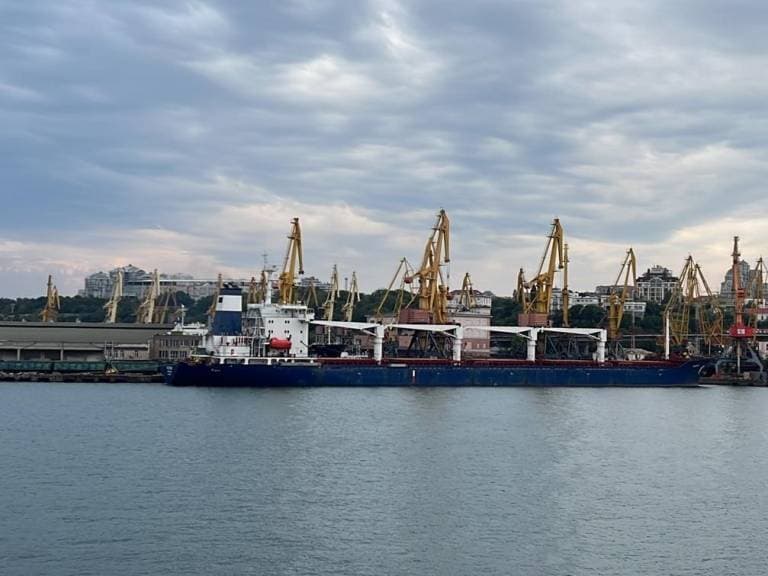
Bulgaria, Romania, Poland, Slovakia, and Hungary fear that Ukrainian agricultural exports to international markets will once again primarily have to pass through their territories. They worry that this situation will lead to a surplus of agricultural products in their markets, potentially disrupting competition.
The (temporary) import ban on Ukrainian grain not only affects direct trade between Ukraine and European markets but also more distant sales markets. To alleviate the situation and reduce dependence on the Black Sea route, efforts are currently underway to make the Danube shipping route to the Romanian Black Sea port of Constanta more accessible. This port can offer an alternative route for Ukrainian grain exports.
The project to improve the Danube shipping route is a collaboration between Romania and other European partners. The goal is to deepen and widen the waterway to accommodate larger ships with greater cargo capacity. This will significantly increase the port's capacity, allowing for more efficient transportation of agricultural products. The European Commission has pledged its support for this initiative and has allocated funds to finance and accelerate these improvements.