

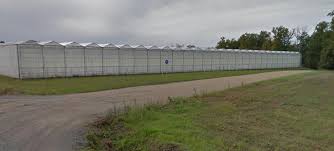
Industry group Glastuinbouw Nederland says that up to 40 percent of the 3,000 vegetable, fruit and flower companies are in financial distress. As a result, part of Dutch food production threatens to shift to warmer countries like Spain, Morocco and Kenya.
Until recently, Dutch greenhouses consumed about three billion cubic meters of gas annually, or approximately eight percent of the national total. This has been declining for some time as renewable alternatives (solar and wind energy) become available, but due to the energy transition and the Russian gas boycott, the situation has changed drastically. According to the CBS, gas consumption has already fallen by 23 percent this year.
"A large number of growers are choosing to close their businesses because they do not expect changes in the short term," said Michel van Schie of the Aalsmeer flower auction Royal HollandFlora to the international news agency Reuters.
Promotion
Supermarkets have proactively reduced orders for flowers by about one-third, anticipating that consumers will spend less on flowers due to the rising cost of living, he added.
Greenhouses have contributed in recent years to making the Netherlands the second largest agricultural exporter in the world, after the United States. But the 8-billion-euro greenhouse industry grew up with cheap (Russian) natural gas. They are now confronted with an energy crisis that forces adjustment, and it is expected that not all greenhouse companies will survive this.
Now that Russia is restricting gas deliveries in response to Western sanctions over its invasion of Ukraine, European prices have risen to twenty times the level of a year ago. Several large vegetable growers have already decided to reduce part of their production or switch to other products (requiring less heat and energy).
"It's as if we are going back in history with Spain producing in the winter and Northern European countries producing their own vegetables in the summer. Some people say maybe it should be that way," said one of the vegetable growers.