

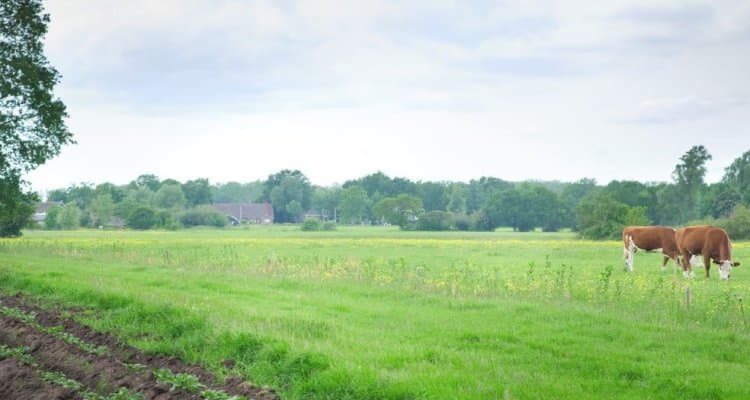
German Agriculture Minister Cem Özdemir remains committed to the ambitious objective of having 30 percent of agricultural land farmed organically by 2030. Özdemir recently emphasized again that this target is crucial for the sustainable future of German agriculture.
According to the agricultural structure survey, around 28,700 farms in Germany operated according to organic farming standards in 2023. According to Destatis, their share was 11%.
With 1.85 million hectares, the share of organic farmland was correspondingly high. To reach the 30% target, nearly one-fifth of the total agricultural area would have to be converted within seven years.
Promotion
German agricultural organizations have mixed reactions to Özdemir’s proposal. While some farmers and organizations recognize the benefits of organic farming, such as improved soil quality and higher biodiversity, there are also concerns.
Many farmers fear for their financial future. The German Agricultural Society (DLG) has called for more government support and subsidies to make the transition feasible for smaller farms. Additionally, there is debate over the feasibility of the goal within the set timeframe.
Within the European Union, member states have agreed to support organic farming in the context of the Green Deal and the Common Agricultural Policy. This is intended to help reduce greenhouse gas emissions and promote sustainable farming practices.
France, on the other hand, has recently decided not to enshrine the organic farming target in law. This decision came as a surprise, as France initially had ambitious plans to significantly increase the share of organic farming.
The French government indicated that the agricultural sector needs time to adapt to changes and that voluntary measures are currently preferred over legal obligations. French Agriculture Minister Marc Fresneau emphasized that while there is an aim to green the sector, the focus now is on feasible and gradual steps.
Critics of the French decision argue that the absence of a binding target will reduce pressure on the sector to become more sustainable. Without legal obligations, they fear that progress toward a more sustainable agriculture will slow down. On the other hand, there is understanding for the flexibility the French government wants to provide, given the economic challenges many farmers face.