

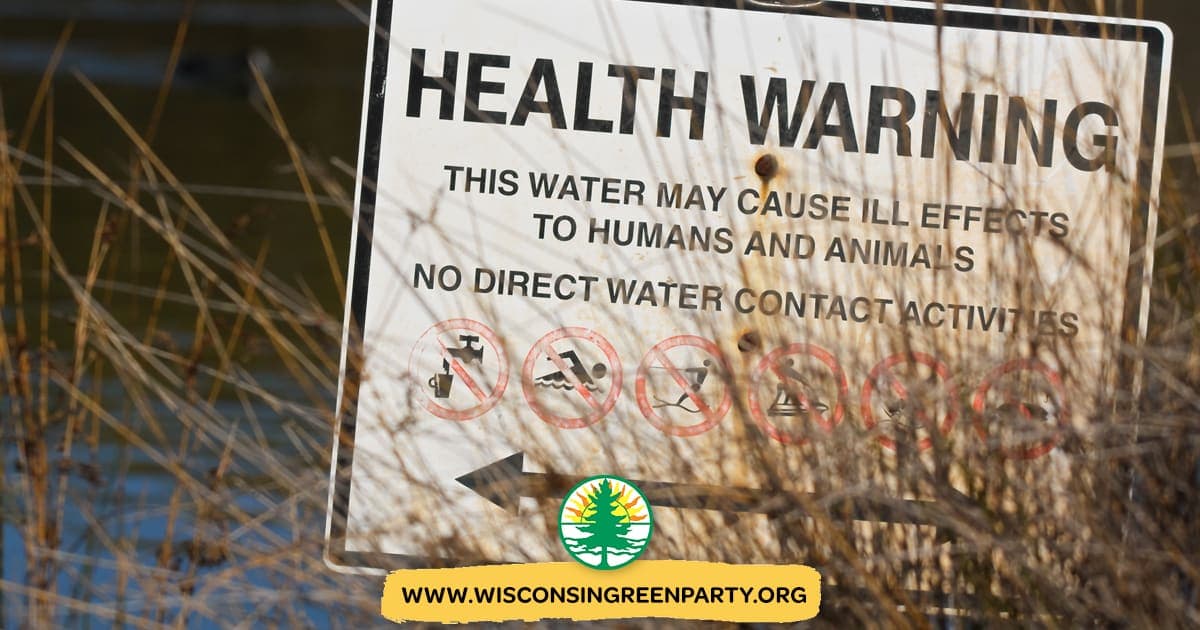
The main pollution sources are fertilizers and chemicals from agriculture, which contaminate the water with nutrients such as nitrogen and phosphorus, leading to eutrophication. Additionally, industrial wastewater contributes to the chemical pollution of rivers, lakes, and coastal waters.
Structural changes to waterways, such as dams and channelization, have also contributed to ecological decline, according to a new report from the EU Environment Agency.
Surface waters are regarded as crucial for maintaining biodiversity, but in many regions of Northwest Europe (including Belgium, the Netherlands, and Germany), the quality of more than 90% of water bodies is described as moderate, poor, or very poor.