After weeks of blockage, Slovakia finally agreed to the eighteenth sanctions package. This paves the way for new economic pressure on Russia. The country still partly depends on imports of Russian fuels. The turnaround came after the government in Bratislava received EU guarantees on energy security and compensation for possible economic damage.
In the energy sector, the Slovak government promises to completely phase out imports of Russian gas within a few years. To achieve this, Bratislava negotiated with the European Commission on alternative gas supplies and support for the transition. A joint plan for infrastructure, storage, and financing of new energy sources will be established.
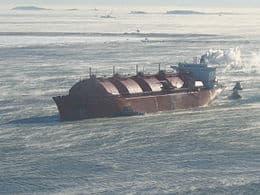
A central element of the package is a ban on European support for the export of Russian liquefied natural gas, including to countries outside the EU. European companies are no longer allowed to cooperate in the transshipment, financing, or insurance of these gas transports. The measure primarily impacts Russian state-owned companies that aim to diversify their supply routes.
The so-called “shadow fleet” of oil tankers is also being targeted. These vessels transport Russian oil via detours to circumvent existing sanctions. The EU now wants ports to deny access to tankers suspected of evading sanctions and to prohibit the use of European services (anchorage, fuel supply, pilotage, etc.) for such transports.
European institutions are also increasing legal pressure. Sanctions will be imposed on Russian officials involved in war crimes or human rights violations, with a view to later prosecution at international courts. The focus is on commanders, administrative officials, and supporting structures.
The sanctions package also includes measures against Russian banks and companies involved in the war economy. Some institutions will be excluded from the international payment system, while others will lose access to European markets or technologies. Through this, the EU aims to curb Russia’s military production capacity.
The approval of the package is also politically significant. With Slovakia’s consent, a major obstacle that caused months of frustration within the EU disappears. Meanwhile, Hungary continues to oppose further sanctions, although this time it did not block the package.
Although the package was approved unanimously, its implementation depends on the cooperation of agencies and authorities in EU countries. The European Commission says it will devote extra attention to control mechanisms to prevent circumvention. At the same time, some EU countries warn of economic consequences in border regions.