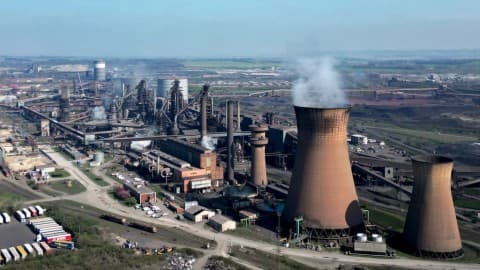
The European Union is imposing an extra import duty on metal and aluminum products that are not manufactured according to European environmental and climate standards. The introduction of the carbon fee is meant to protect the European steel industry from imports from non-EU countries.
The costs of the so-called CBAM levy are paid by importers, who can pass these costs on to their customers. As a result, prices increase for consumers within the EU, including agricultural businesses and industrial users.
Since January 1, CBAM has been fully applicable within the European Union. The mechanism targets goods with high carbon intensity, such as steel, aluminum, and fertilizers, and is part of the broader EU climate policy.
The climate policy aims to counter environmental pollution but also raises concerns about competitiveness, affordability, and the position of sectors heavily reliant on imports.
With CBAM, the EU wants to prevent European producers from being disadvantaged by imports from countries without comparable CO₂ levies. The system is intended to ensure a more level playing field between domestic production and imports.
Within the EU, there is simultaneously a call for exceptions or temporary suspension of the mechanism. Some EU countries and sectors warn that if applied unchanged, CBAM could cause economic damage. Changes or suspensions are only possible after approval by EU member states and the European Parliament, which slows down the process.
For Ukrainian companies, CBAM already has direct consequences. Since its full implementation, metal producers have lost customers in the EU and have reduced production. Additional costs per ton make exporting more difficult.
A major Ukrainian steel producer reported that nearly half of the annual production is affected because European customers no longer place orders. Companies are calling on the Ukrainian government to engage in intensified consultations with the European Commission about postponement.