

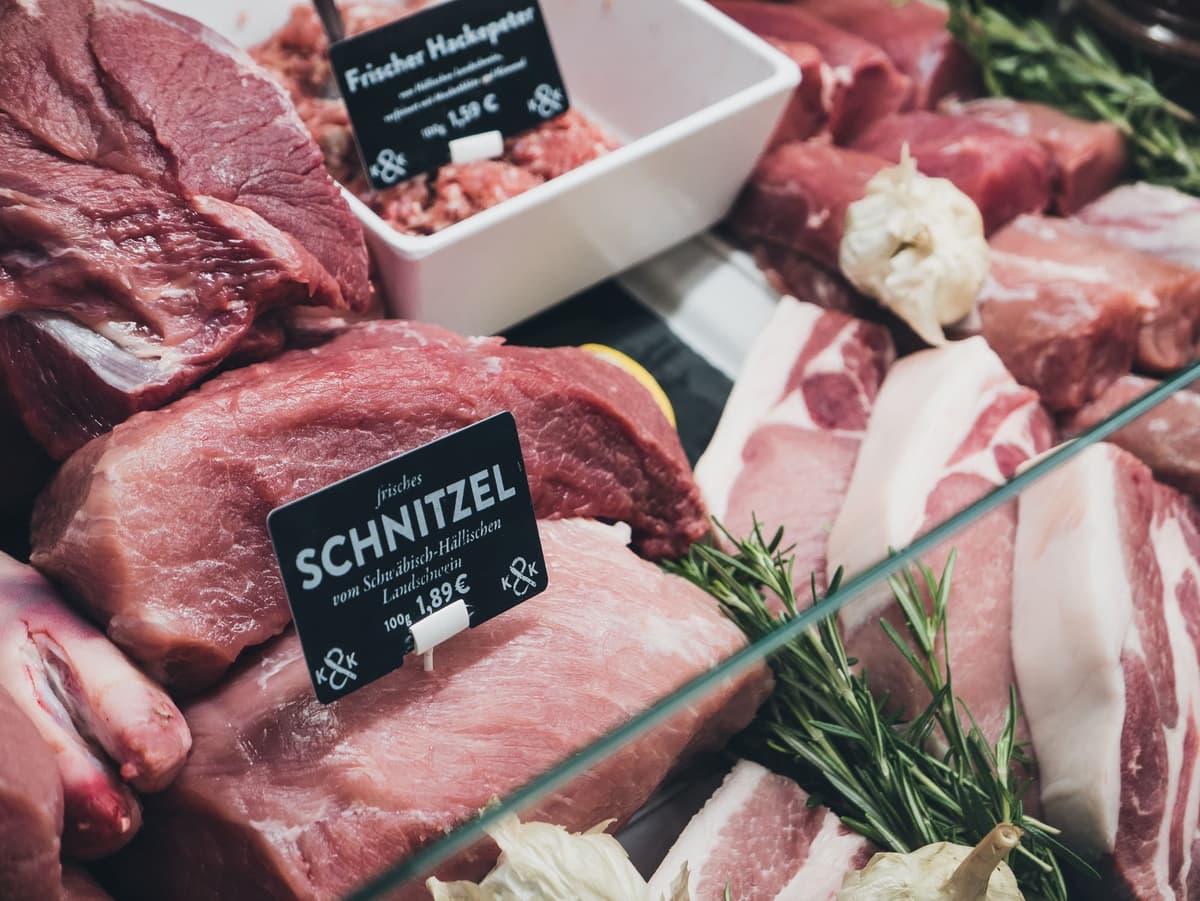
Meat production in slaughterhouses in the United States has almost fully recovered. According to monthly research on agricultural activities, meat processing in May was at 95 percent of the average. After the outbreak of the coronavirus pandemic in April, this had dropped to 40 percent because many slaughterhouses and meat processing plants had to send "sick staff" home, reports SF Successful Farming.
Some of the largest cattle and pig slaughterhouses were temporarily closed, reducing the flow of meat to supermarkets. Some chains limited customer purchases. “The problems in meat processing plants do not seem to be over yet, although most plants are back online,” says economist Joe Glauber of the IFPRI think tank. “If this means lower meat production in the coming months, meat prices will remain higher than last year, but probably somewhat lower than the current peaks.”
The faster than expected recovery of slaughter production has almost neutralized the impact of the coronavirus pandemic on the American meat supply, the U.S. government responded enthusiastically on Thursday.
Promotion
The Department of Agriculture estimated that Americans will eat an average of 220.2 pounds of red meat and poultry this year; more than half a pound per day. Beef consumption would make up two-thirds of the increase. Pork and broiler production would also increase.
At 220.2 pounds, meat consumption per capita would be only one percent lower than last year. This would end five years of gradual increases. But it would be over seven pounds more per person than the USDA estimated just a month ago in the monthly WASDE report.
Regarding developments in U.S. agriculture and horticulture, researchers are more pessimistic, not so much about production but mainly about price developments. In the meat industry, authorities have been somewhat able to control the pandemic since the hired temporary staff gathers at only a few hundred workplaces. But for harvesting corn and grain crops and picking cotton, grapes, and tomatoes, there are tens of thousands of smaller workplaces.
In agriculture, there are still concerns about the continuation of the coronavirus pandemic now that tens of thousands of seasonal helpers, after the cotton harvest in the South, are moving to the grain harvests in the Midwest.
USDA analysts lowered their estimate for final U.S. soybean exports for the third month in a row to 1.65 billion bushels, due to increased competition from South America. They expect a recovery in the new trade year to 2.05 billion bushels, the level before the trade war with China.
The USDA also said that this year’s corn and soybean crops will receive the lowest prices at the farm gate in 14 years. Grain production is estimated at a record 16 billion bushels, and soybean production, at 4.125 billion bushels, would be the fourth largest ever.