

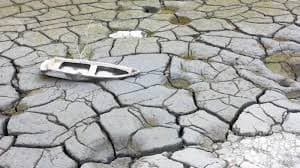
Brazil is concerned about the effects of the ongoing drought on national food production. Due to disappointing harvests, not only is export at risk, but also the food supply within the country.
Reduced Brazilian exports could also impact food prices worldwide, as Brazil is one of the world's largest food exporters.
The lack of rainfall in Brazil has led to one of the worst droughts in decades. Extreme drought is also affecting the western United States. In some US reservoirs, only one-third of the usual amount of water remains.
Promotion
It is not only US agriculture that is suffering; in Brazil, the drought is hitting even harder. There is already talk of the ‘drought of the century.’ The traditional rainy season has now passed, and the usually dry winter is approaching. The situation is expected to worsen.
In some Brazilian agricultural provinces, no rain has fallen for forty days, threatening the planting and sowing of winter grains. The government has warned of low water levels that limit hydroelectric power plants’ ability to generate electricity, which could lead to rationing.
The Brazilian Minister of Agriculture stated that the drought mainly affects food producers who rely on irrigation but admitted that poor weather conditions also impact farmers dependent on rainfall.
According to forecasts, the drought will cause a reduction of at least 10 million tons in the Brazilian grain harvest by the end of next year. The most affected crop will be corn, with expected production already reduced from 80 million tons to 70 million tons. For the next two harvests, the projection is that Brazil will achieve a corn yield of 96.4 million tons, a 6% decrease compared to the previous year.