

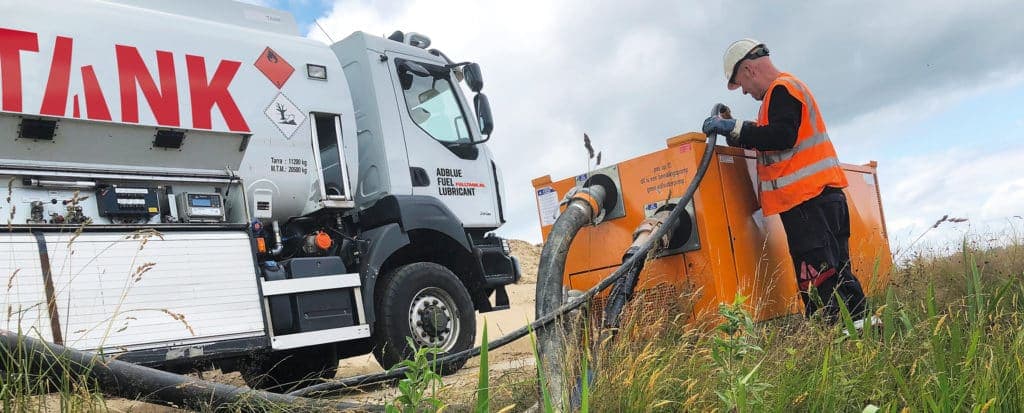
This would mainly affect tax benefits for commuting and diesel types used in freight and goods transport.
Scientific research has shown that Austria spends several billion euros annually on tax breaks for commuting that encourage car driving. Especially the discount for commercial goods and freight transport using cheaper diesel fuel contributes to CO2 emissions.
Austria’s national energy and climate plan aims to drastically reduce greenhouse gas emissions and speed up the transition to renewable energy sources. Austria is one of the last EU countries to submit such a transition plan to Brussels.
Promotion
The agricultural diesel package includes a full refund of 37.5 cents per liter of diesel for 2024. Austrian agricultural organizations point out that they have already significantly reduced their CO2 emissions. “Since 1990, we have been able to save more than 16 percent of CO2 emissions in the agricultural sector, while other sectors still need to do their homework.”
In addition, the Austrian plan also focuses on increasing energy efficiency and promoting the production of renewable energy, such as biomass, which has already become an important energy carrier in the country. In this regard, Austria is ahead of many other EU countries.
It is not yet certain whether the new energy plan by Environment Minister Leonore Gewessler (Greens) will be implemented in its current form. The current proposal does not include targets per business sector or penalties and fines.
As a result, the CO2 plan could still become an issue in the campaign for the parliamentary elections at the end of September. There are various agricultural, environmental, and nature-related issues on which political parties strongly disagree.
ÖVP Minister Totschnig has already stated that the politics should stay away from ‘his’ cheap agricultural diesel, while the Greens and SPÖ emphasize that Austria will face EU penalties if it does too little to reduce CO2 emissions.