

Chinese imports of agricultural products rose to 11.6 billion euros in October, 22 percent higher than a year earlier. With this, China’s spending on agricultural imports this year has reached a record level of 115.54 billion euros; that is 14.3 billion euros or 14% more than in the same period last year.
Soybeans have so far remained the most valuable import item. The growing animal populations, especially pigs, are likely the main reason for China’s increased soybean purchases. Meat ranks second among the main import goods.
The effects of African swine fever (ASF) caused imports of pork, including by-products, to surge by 69% in the first ten months of this year to 8.17 million tons.
Promotion
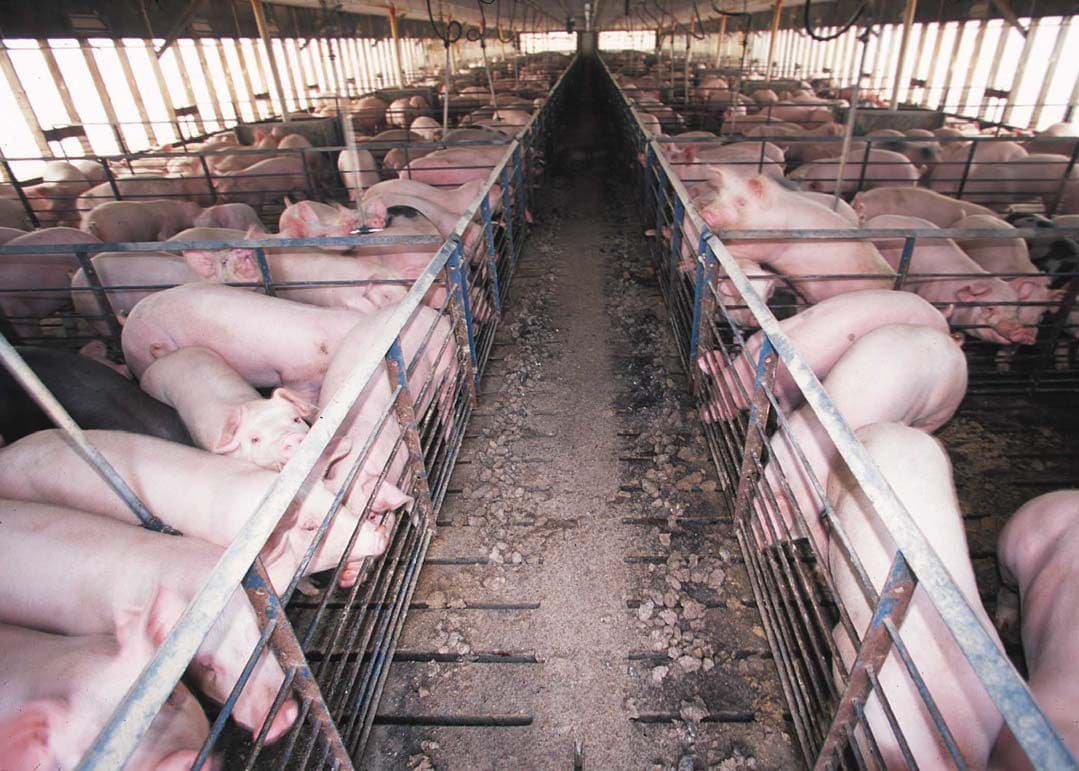
Meanwhile, the large Chinese pig producer Muyuan Foods is trying to keep more pigs at one location than any other company in the world. Muyuan’s new mega-farm near Nanyang, which will eventually house 84,000 sows and piglets, is by far the largest in the world, about 10 times larger than a typical breeding farm in the United States.
The Chinese company aims for a production of about 2.1 million pigs per year. Reuters reports that the new farm, which was built in half a year, replaces multiple small, traditional farms.
Many ‘small’ pig farms were wiped out by swine fever over the past year, after which Chinese authorities initiated a large catch-up effort. This involves building large, new breeding farms now with foreign expertise. This shift, which has been ongoing for years, has now accelerated sharply.
Companies such as Muyuan are now developing fully automated farms with higher density and increased efficiency to meet the enormous demand for pork.
If things go as planned — and other Chinese producers follow suit — China could reduce its current purchases elsewhere on the global market. In that case, the ‘big customer’ China could potentially disappear from many meat-exporting countries.