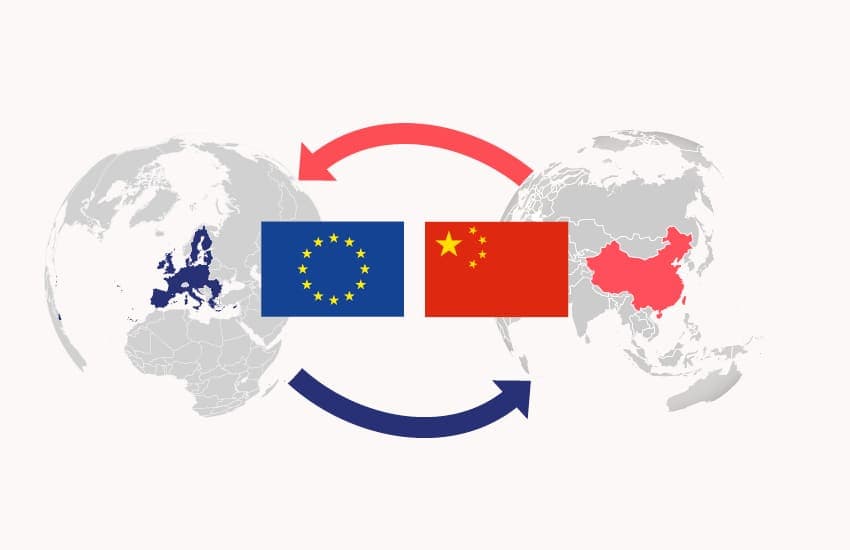
The European Commission will temporarily not approve the investment agreement concluded with China last year. For years, Beijing and the EU negotiated about mutual access to each other's markets, but more and more EU countries are now reconsidering.
Chinese conglomerates are already taking over entire industries with their expansion and dumping practices, such as in electronics. In contrast, the global corona crisis has demonstrated that countries need to be more self-sufficient and less dependent on imports ‘from the other side of the world’.
The relationship with China is currently too strained, says EU Commissioner Valdis Dombrovskis. “In a way, we have suspended the political rapprochement on the part of the European Commission,” says Dombrovskis, one of the Commission's vice presidents.
The European Parliament (EP), which still has to approve the agreement, recently said the Commission can forget about that for now. The European Parliament was already critical of the deal, but recent Chinese sanctions against about five Members of the European Parliament led to increased resistance. As long as China does not withdraw these punitive measures, the EP will not ratify the agreement.
The agreement states that European companies should gain better access to the Chinese market. There are also arrangements about fair competition between Chinese companies and enterprises from the EU. For example, China is partly dependent on imports from EU countries for dairy and meat products.
In less than fifteen years, China has almost completely taken over the thriving European solar panel industry. Those who want to buy solar panels can hardly avoid China. The country controls about 80 percent of the world market.
In the steel industry, the Chinese are also dumping their metals at rock-bottom prices. They can produce so cheaply because they apply hardly any environmental protection and barely uphold social labor rights.