

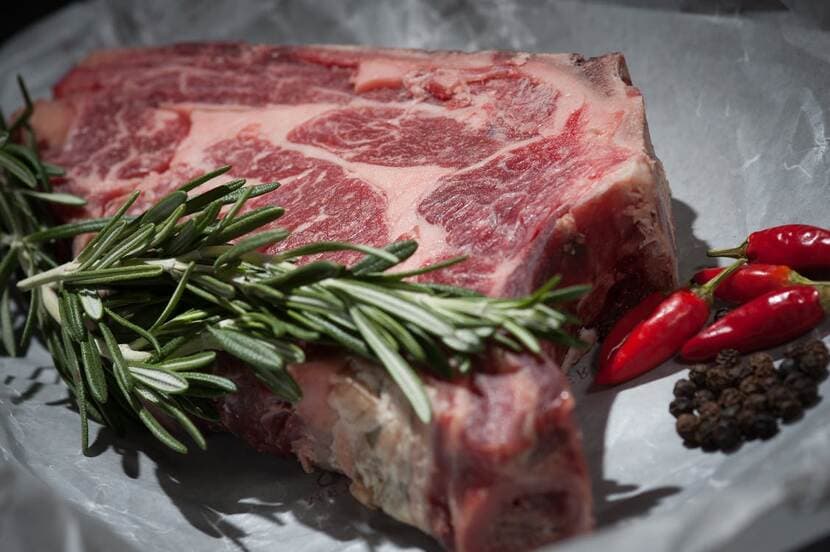
According to the report, one in five Germans (20%) still eats meat and sausage every day. A year ago, that was one in four (25%), and in 2015 about one in three (34 percent). At the same time, 22% of Germans indicate they regularly consume vegan meat substitutes. This puts the German average below the EU average.
These changing eating habits have significant consequences for German agriculture, horticulture, and livestock farming. The decline in meat consumption has led to a reevaluation of production in the meat industry, with growing demand for plant-based alternatives, the report concludes.
German supermarkets and restaurants are responding to this trend by offering a greater variety of meatless options. In Lidl supermarkets in Germany, vegan meat substitutes now cost the same as regular meat. The share of vegans is highest at 18 percent among Germans aged 14 to 29 and lowest (5%) among people aged 60 and over.
Promotion
The vast majority of respondents (94 percent) consider it very important to ensure better conditions in livestock farming with fewer animals in the stables. Reducing food waste is also important to respondents. Ninety-two percent support less food waste in households and businesses.
For 93 percent, a requirement for supermarkets to give away expired food for free is a solution. Almost as many people believe that food that has already been thrown away but is still edible should be allowed to be taken from supermarket dumpsters without penalty.