

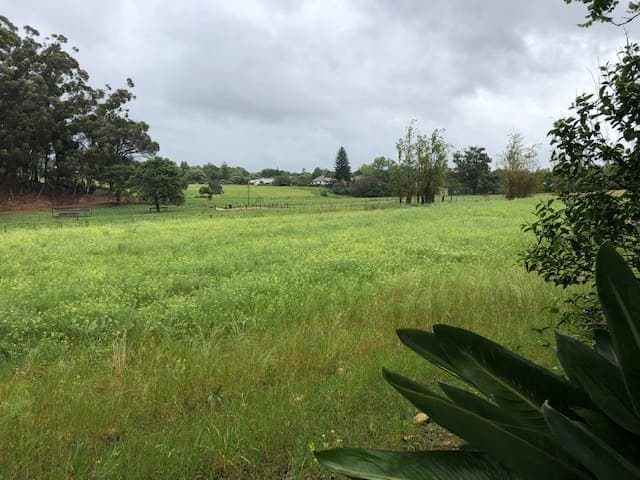
On a site at Stellenbosch University in South Africa, a greenhouse is being built with financial aid and practical expertise as a research and training center for farmers in the Western Cape, the southernmost region of South Africa. The goal is for the center to become financially independent in the short term.
The center focuses on young people interested in agriculture, commercial agricultural entrepreneurs, and small farmers who want to develop their businesses. A tailored program is created for these target groups.
The foundation of the training center is a modern 2,500 m2 greenhouse featuring Dutch technology, planting materials, and inputs for cultivation. This greenhouse has been adapted to local conditions. This so-called Hortipreneurial Centre of Excellence will be delivered by the end of this year.
Promotion
In the second phase, the greenhouse will be expanded to 5,000 m2. Tomato, bell pepper, and cucumber are the main crops. From the center, farmers will receive guidance not only to increase their production but also to make it more sustainable.
A consortium of Dutch and South African companies and knowledge institutions initiated this pilot greenhouse and training center. This collaboration arose from a Dutch agri working visit to South Africa. The Dutch agricultural counselor Niek Bosmans in Pretoria sees this approach as a fine example of cooperation between the two countries.
From the Netherlands, Rijk Zwaan (seeds), Koppert (biological crop protection), Control Union (certification), Ridder Group (automated greenhouse systems), Ludvig Svensson (climate screens), and Delphy (cultivation guidance) participate in the project. These companies are already active in South Africa.
The Agricultural Department of the Dutch embassy in Pretoria will organize a new Knowledge and Technology Innovation Mission to South Africa at the end of October.
Agriculture in South Africa is currently going through a difficult period. Many farmers are stopping their businesses, and young people see little prospect and move to the cities. This threatens the food supply for the growing population. The effects of climate change only add to this. This is especially true for the Western Cape province, where agriculture struggles with a lack of rain.