

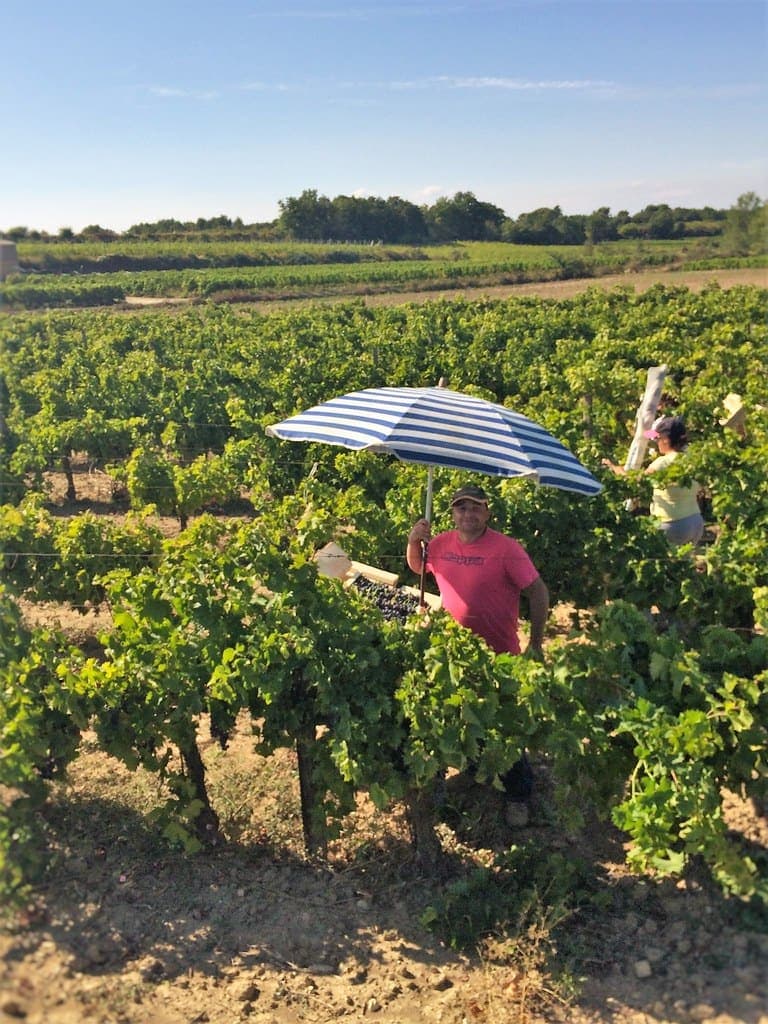
Italy is struggling with a severe labor shortage in agriculture and is now considering naturalizing 600,000 illegal immigrants so they can officially work as seasonal workers in the food industry and in agriculture and horticulture. For many North African seasonal workers, this could be an opportunity to finally obtain their desired residence permit.
The coronavirus pandemic has prevented 300,000 foreign workers from Eastern Europe from reaching Italy. “Without them, all of the country’s crops are threatened and risk never reaching the stands of Italian and European supermarkets,” reports infomigrants.net.
According to estimates, between 270,000 and 350,000 seasonal workers are needed in this sector in Italy. Authorities are therefore relying on the regularization of illegal migrants to fill the gap. Many of them were already working illegally in agriculture before the health crisis.
Promotion
Undeclared work is a major problem in Italian agriculture. In the south of the country, migrants without papers often work during the citrus or tomato harvest. They often live in ghettos and are poorly paid. It is now Italian agricultural organizations that have called for the legalization of the illegal immigrants already working in the sector. The problem of migrant exploitation affects not only Africans but also many Italians who are exploited by the mafia.
The Ministry of Agriculture is pressuring Italians who are currently unemployed due to the coronavirus crisis to help with the harvest. The ministry is considering setting up an online platform where people can sign up for field work. The government is therefore running a promotional campaign among its own population to encourage employment in agriculture, now that there is no work in the tourism sector. Contact has also been made with Romania. Italy wants to guarantee that Romanian seasonal workers can count on stable jobs in the fields.
Food manufacturers and agriculture throughout Europe are currently wondering who they can hire for seasonal work, since long-term border crossings can be difficult. The shortage of seasonal workers is not only a problem in Italy. Several EU governments have already taken various initiatives to support agriculture and horticulture.
In the European Union, German, French, Spanish, Italian, British, and Polish growers have experienced staffing shortages due to border closures, experts say. They warn that in the coming months, the European Union will face a shortage of approximately 40-50 percent of seasonal workers, which could mean that a lot of fruits and vegetables will remain—and rot—in fields and orchards.