

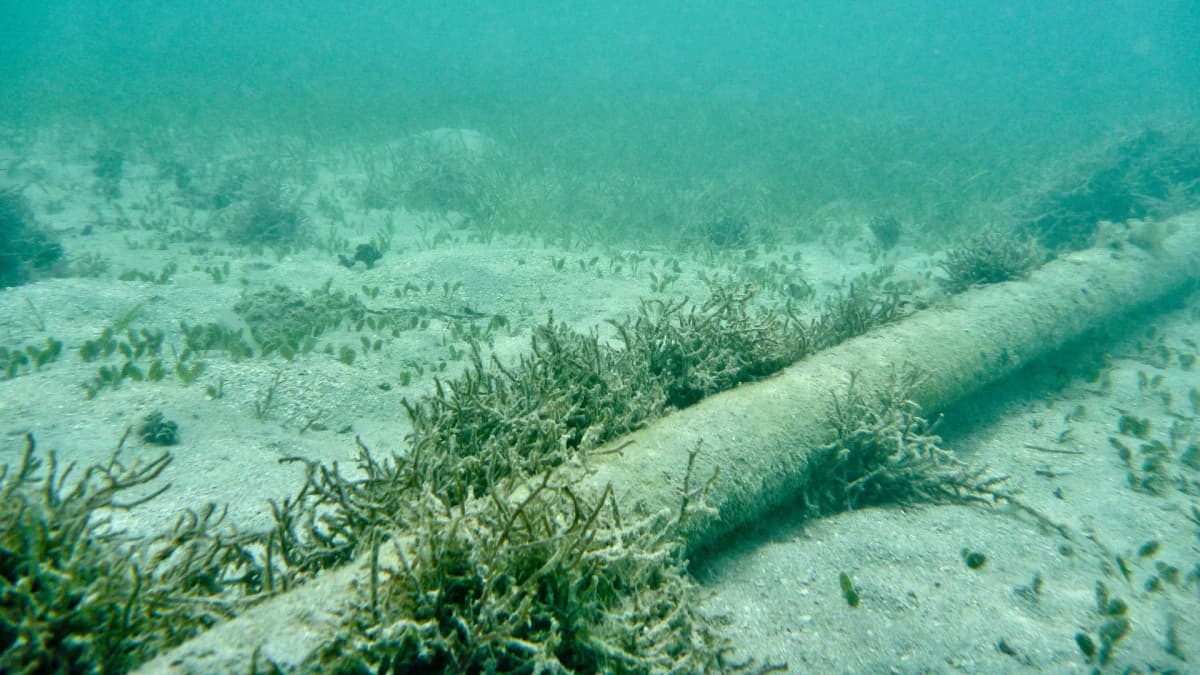
This decision is partly based on reports that critical infrastructure, such as gas pipelines and wind turbines, are targets of Russian sabotage activities. In April, the military intelligence service MIVD stated that Russia could also attempt to sabotage the numerous data hubs located on the seabed of the North Sea.
Hiring private security personnel is intended to bridge the gap until, likely in 2026, two new multifunctional support ships can be commissioned by the Royal Netherlands Navy. The Ministry of Defence did not disclose which companies were being engaged or whether only Dutch or also European companies were involved.
The Dutch part of the North Sea is about one and a half times the size of the Dutch mainland and is one of the busiest shipping areas in the world.